
Pinnacles National Park in Spring: Soaring Condors & Blooming Wildflowers
This post contains affiliate links. If you book through them, I may earn a small commission at no extra cost to you — thank you for supporting this blog.
Pinnacles became California's newest national park in 2013, but its significance runs deeper than its designation. The park protects one of the most biodiverse stretches of California chaparral — where condors, brought back from the edge of extinction, soar alongside turkey vultures, acorn woodpeckers hammer their way into ancient granary trees, and wildflowers push through cracked earth each spring. I didn't fully appreciate any of this on my first visit. In this guide, I'll share what I got wrong, what I went back to find, and everything you need to know to experience Pinnacles at its best — from the trails worth hiking to the small discoveries that end up defining the trip.
Settle in, grab a cup of coffee, tea, or whatever you need to get cozy, and let’s get started!
My First Visit to Pinnacles (And What I Got Wrong)
When I visited Pinnacles National Park for the first time, it was on a sunny day in June: one that brought fog to the coast and relentless sun the farther we moved away from the cooling ocean. We hadn’t been in California long enough to understand the drastic differences just a few miles could make, so we set out in search of warmth on a hike in Pinnacles National Park.
Before we even got started, we were greeted by feisty-looking woodpeckers and even feistier-sounding Steller’s jays—the only creatures we encountered before hitting the trail.
We would soon understand why.
Dressed in a too-thick T-shirt and, even worse, long black leggings, I started climbing in the heat of the day, with the sun beating down on us mercilessly. I quickly understood why Pinnacles seemed so devoid of visitors. Needless to say, my husband—who had happily joined me on this misadventure—and I did not make it to the end of the trail that day. In fact, it took us more than one season to return and find out whether California’s newest national park could feel like anything other than stuffing sand into your mouth while the sun burns your head.
And since you’re reading this guide now, I guess you already know the answer.
Timing is everything.
Plant & Wildlife Highlights
Pinnacles National Park is home to more than 500 plant species and thousands of animal species, all uniquely adapted to survive in its dry, rugged environment. From California condors soaring above the cliffs to woodpeckers storing acorns in granary trees, life here is both resilient and fascinating to observe.
The park’s trail system offers access to this biodiversity, winding through chaparral-covered hills, rocky spires, and seasonal wildflower displays. Whether you’re hiking for sweeping views or hoping to spot wildlife, understanding what to look for, and when, can transform your experience.
In this section, we’ll explore some of the most notable plants, wildlife, and features that define Pinnacles National Park.
California Condors & Turkey Vultures
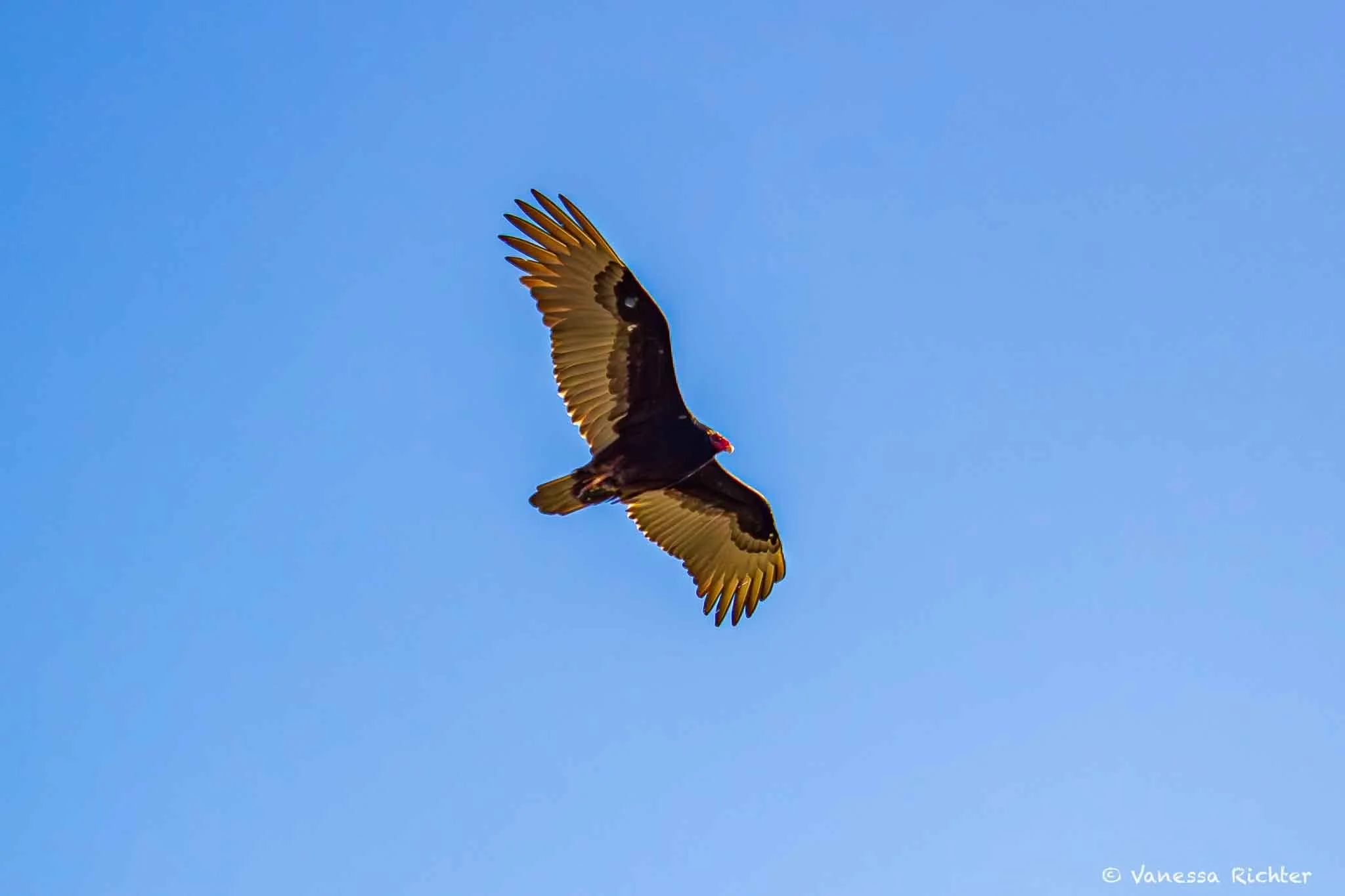
Once at the Brink of Extinction Now Soaring Again In Pinnacles National Park
A California condor gliding majestically through the cloudless sky above the sand-colored spires that are so typical of Pinnacles National Park is a sight that almost disappeared forever. It is one of many conservation stories from the past 150 years in which a species came dangerously close to extinction.
To understand why, we have to go back to the 1940s. Around that time, a chemical called DDT (dichlorodiphenyltrichloroethane) was discovered to be highly effective for controlling agricultural pests and killing mosquitoes that were feared to spread malaria and other diseases. For decades, DDT was used on a massive scale across the United States and many other parts of the world.
Eventually, scientists realized that DDT was extremely harmful to the environment. Birds at the top of the food chain—such as raptors and scavengers—were particularly affected. Through a process known as biomagnification, the chemical accumulated in increasingly high concentrations as it moved up the food chain.
DDT is stored in fat tissue and breaks down only very slowly in the environment. As a result, animals that fed on contaminated prey could accumulate large amounts of the chemical in their bodies. When California condors feed on carcasses of contaminated animals, they ingest significant quantities of these persistent pollutants.
In birds, DDT interferes with calcium metabolism and causes severe eggshell thinning. Eggs became so fragile that they often broke during incubation. This was especially devastating for California condors, which reproduce very slowly, typically raising only one chick every one to two years. Even small disruptions to breeding success had dramatic effects on their population.
Thankfully, the use of DDT in the United States was banned in 1972, and many other countries followed. Although the chemical persists in soils and marine environments for decades, its concentrations have gradually declined.
However, DDT was not the sole reason for plummeting populations: Habitat loss, poisoning, shooting of condors and egg collecting contributed to their decline too.
By 1987, the situation had become critical: only 27 California condors remained alive, all of them in captivity. Conservationists began a captive breeding program to save the species from extinction. After several years of careful management and breeding, condors were reintroduced to the wild in several areas, including Pinnacles National Park in 1992, where the cliffs and remote terrain provided ideal nesting and foraging habitat.
While California Condors are slowly rebounding, there is one threat that persists: lead poisoning by ammunition bullets used in hunting.
⚠️ Historical vs. Modern Threats
When California condors were reintroduced to the wild in the 1990s, they no longer faced the severe impacts of DDT and other historical threats that had once pushed the species to the brink of extinction. However, one significant challenge remained: lead poisoning.
Condors are scavengers and often feed on carcasses of animals shot with lead ammunition. Even tiny bullet fragments can be ingested, accumulating in their bodies and causing anemia, neurological damage, and sometimes death.
To reduce this risk, California banned the use of lead ammunition for hunting in 2019. Other states within the condor’s range, such as Arizona and Utah, rely more on voluntary programs that encourage hunters to switch to non-lead alternatives. While these efforts have helped lower exposure, lead poisoning remains one of the most serious ongoing threats to wild condors.
Turkey vultures (see picture above), another key scavenger, share the skies above Pinnacles with condors. They play a similar ecological role by cleaning up carrion and recycling nutrients back into the ecosystem. Unlike condors, however, turkey vultures were less affected by DDT. Historically, condors often fed on marine mammals such as sea lions, where the chemical accumulated in high concentrations through the ocean food chain. Turkey vultures mostly feed on terrestrial carcasses, which generally contained much lower levels of DDT.
Today, seeing a condor soaring over the cliffs of Pinnacles is not just an unforgettable wildlife encounter. It is also a powerful reminder that conservation efforts work, and that science-driven policy making is essential.
Best Places To See California Condors & Turkey Vultures
Pinnacles National Park is one of the few places in California where you can see California condors in the wild. With wingspans over 9 feet, these massive birds glide effortlessly above the park’s jagged spires, often riding thermal currents.
📍 Top Condor Viewing Area
High Peaks
The best and most reliable place to see condors soaring above you is along the High Peaks Trail. Access it via the Condor Gulch Trail or Rim Trail.
Other Places
Condors can appear anywhere with open skies in Pinnacles, but sightings are most consistent along ridgelines and cliff areas where rising air currents help them soar.
🌟 Bring your binoculars
To better see what’s high up in the sky above you, binoculars are incredibly helpful. These are the binoculars I always carry—they’re so lightweight you barely notice them in your bag, and they even fit in jacket pockets, so it’s a no-brainer for me to always bring them whenever I go hiking. They deliver crystal-clear views with impressive magnification, making it effortless to spot and admire wildlife in detail from a safe distance.
See What I UseDisclosure: As an Amazon Associate, I earn from qualifying purchases at no extra cost to you. I only recommend products I genuinely enjoy myself.
⏰ Best Time To See California Condors & Turkey Vultures
Season: Year-round
Time of Day: Late morning through the afternoon offers the best chances to see condors soaring, when rising warm air creates thermal updrafts that lift condors and other birds high above the cliffs. Early morning and evening can also be rewarding near roosting areas, as condors may be leaving or returning to their nesting and resting sites in the cliffs.
💡 Did You Know?
🦅 Scavengers, like California condors and turkey vultures, often get a bad reputation, but they are essential for the ecosystem. They help clean up carrion and recycle nutrients back into the environment.
🔴 The bald heads of these birds aren’t just striking—they stay cleaner while feeding on carcasses, an important adaptation for hygiene and health.
☠️ California condors were once on the brink of extinction due to DDT and other human impacts, but thanks to conservation programs, captive breeding, and habitat protection, their populations are steadily recovering.
🌄 Pinnacles’ jagged cliffs and talus slopes provide perfect soaring grounds for condors, turkey vultures, and other scavengers, making it one of the best places in California to watch these incredible birds in action.
How To Tell California Condors & Turkey Vultures Apart
🦅 Turkey vultures often soar in the same areas and are the condors’ closest look-alike in the park. They are slightly smaller (about a 6-foot wingspan) but also glide on thermals above the cliffs.
| Feature | California Condor | Turkey Vulture |
|---|---|---|
| Wingspan | Huge — 9+ feet | Smaller — about 6 feet |
| Wing Position While Soaring | Held flat and straight | Held in a shallow “V” shape |
| Underwing Pattern | White patches on inner wings | Two-toned wings (dark front edge, lighter trailing feathers) |
| Head Color | Bald orange head | Bright red head |
| Flight Style | Stable soaring | Often rocks side-to-side |
⭐ Tip: If the wings are flat like a plank, it’s likely a condor. If they form a shallow “V”, you’re probably looking at a turkey vulture.
⚠️ Keep a Respectful Distance
- Stay at least 100 feet (30 m) from condors, especially near nesting cliffs.
- Bring binoculars or a zoom lens for closer views.
Acorn Woodpeckers & Their Granary Trees
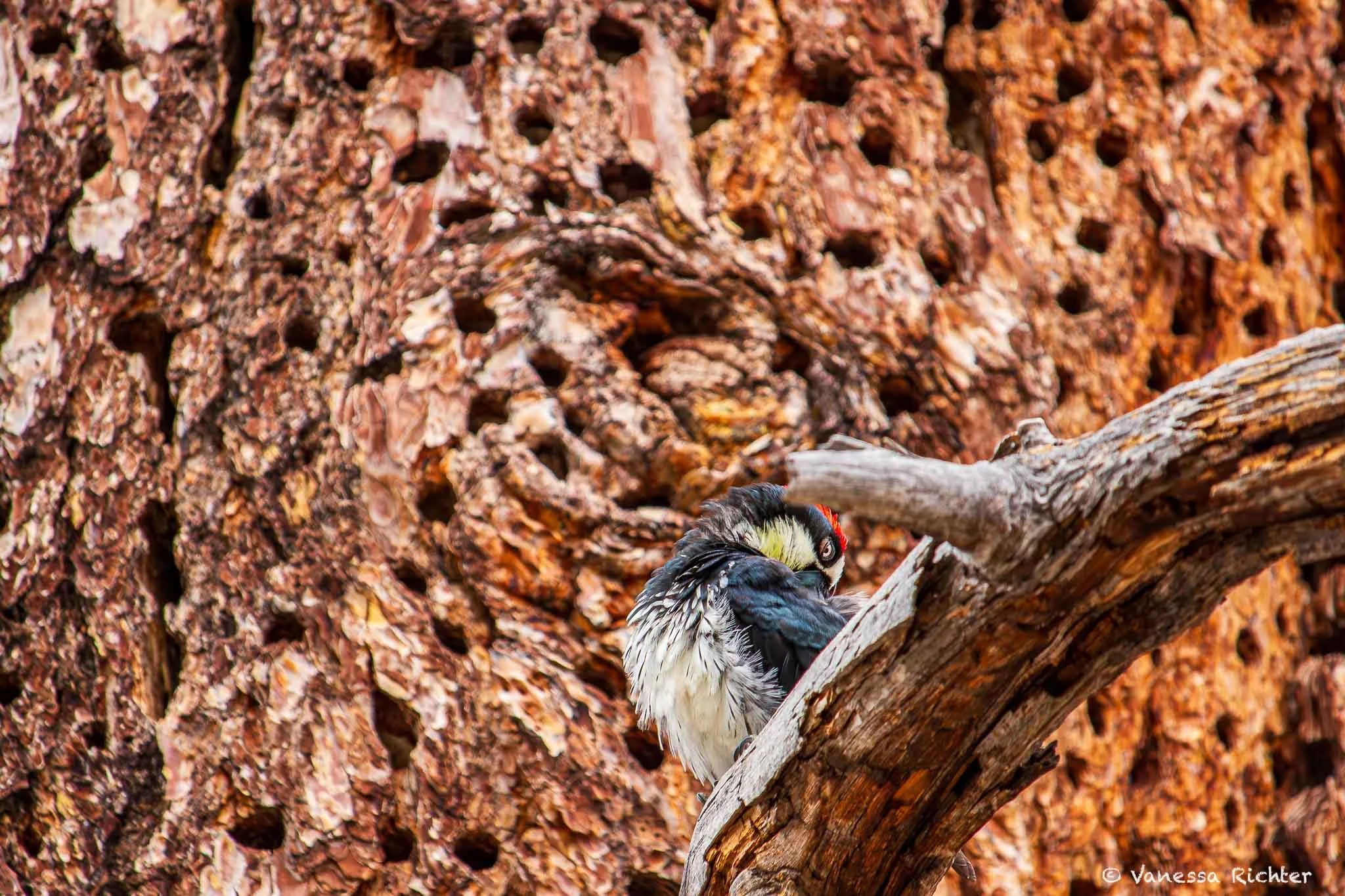
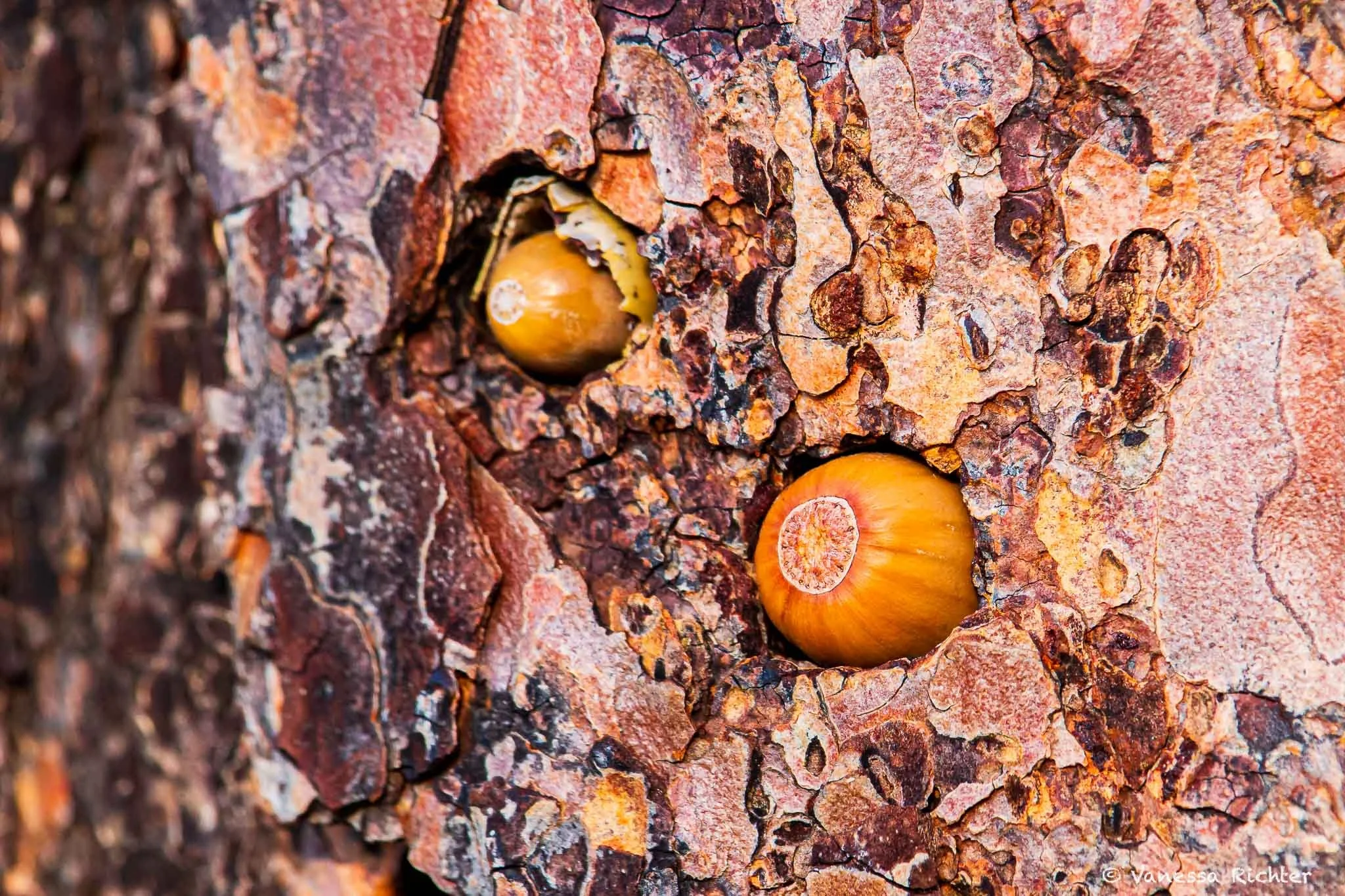
Living in Complex Social Groups, Acorn Woodpeckers May Store Thousands of Nuts in a Single Tree
The familiar knock-knock often gives away a woodpecker before you spot it. With their striking red heads, Acorn woodpeckers don’t just look feisty: If you’ve ever watched a group chase a squirrel off their granary tree, you know how fiercely they defend their food stashes. I mean, who wouldn’t?
As their name suggests, they primarily harvest acorns from oak trees, though other nuts and insects also make it onto the menu. Working in tightly knit family groups, they turn entire trees into granaries, drilling hole after hole over the years and packing each one with acorns.
Keep your eyes open and I’m sure you’ll come across them in Pinnacles!
💡 Did You Know?
🌰 Acorn woodpeckers create remarkable “granary trees” where they store thousands of acorns in carefully drilled holes in the bark.
🌳 Some granaries can hold tens of thousands of acorns, forming a living pantry used by entire woodpecker families for years.
🔄 As acorns dry and shrink, the birds move them to smaller holes so they stay firmly wedged in place.
👨👩👧👦 Acorn woodpeckers are highly social birds, often living in family groups that cooperate to maintain and defend their granary trees.
🔍 How To Recognize Granary Trees & Woodpecker Activity
Look for trees with dozens or hundreds of acorns neatly drilled into the bark (see pictures above). These are active granaries. Listen for distinctive drumming on dead branches or trunks, which indicates the woodpeckers are feeding, maintaining their granaries, or communicating.
📍 Best Places To See Acorn Woodpeckers & Their Granary Trees
Bear Gulch Area
One of the most reliable spots to see acorn woodpeckers. Around the Bear Gulch Nature Center and nearby trails, look for granary trees—often gray pines.
Oak Woodlands (Park-Wide)
Acorn woodpeckers are found anywhere oaks grow. Explore areas like Oak Flat and Juniper Canyon for granary trees and birds.
🌰 Ecological Role of Acorn Woodpeckers
Acorn woodpeckers are ecosystem engineers. By storing acorns in granary trees, they provide a steady food supply not only for themselves but also for other wildlife during scarce seasons. Their foraging helps disperse seeds, while their drumming and cavity creation in dead wood supports insects, birds, and small mammals that rely on these microhabitats.
⏰ Best Time To See Acorn Woodpeckers
Seasonal Activity:
- Spring to Early Summer: Birds are actively feeding young and calling frequently around their nesting and granary trees.
- Fall: Acorn woodpeckers are busy harvesting and storing acorns in their granary trees, sometimes adding hundreds or thousands of nuts.
- Winter: Family groups rely on the acorns stored in their granaries, so birds often return repeatedly to the same trees to retrieve food.
Time of Day: Morning to early afternoon is ideal for spotting woodpeckers foraging, drumming, and moving between granary trees.
⚠️ Respectful Viewing Tips
- Keep your distance and avoid disturbing nests or granaries.
- Use binoculars or a zoom lens to see details without impacting the birds.
- Never touch or remove acorns — these are essential for the woodpeckers’ survival.
Wildflowers in Bloom
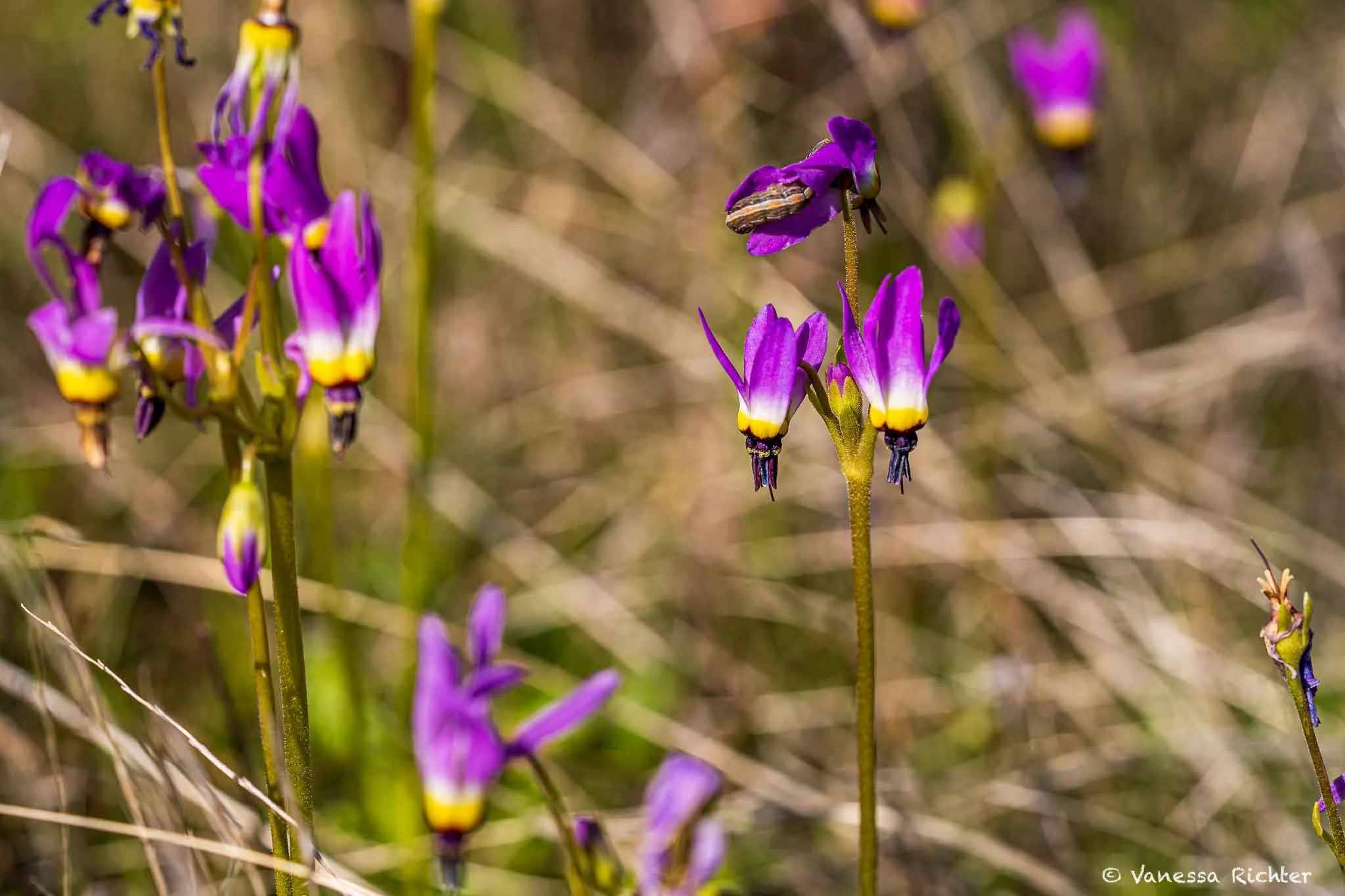
Spring Starts Early at Pinnacles — And So Do the Wildflowers
Thanks to its semi-arid climate, spring arrives early at Pinnacles National Park. Wildflowers can begin blooming as early as January, building into vibrant displays by March and April. From shooting stars (see picture above) to clarkias, warrior’s plume, and California poppies, there’s many different species to see in the chaparral and grasslands. They support pollinators like bees, butterflies, and hummingbirds, making late winter through spring the most lively and rewarding time to visit the park.
💡 Did You Know?
🌋 The dramatic rock formations at Pinnacles National Park didn’t originally form where the park sits today.
📍 About 23 million years ago, a powerful volcano erupted near what is now Lancaster in Southern California, creating the volcanic rocks that would eventually become the Pinnacles.
🌎 Over millions of years, movement along the San Andreas Fault slowly carried part of this volcanic field about 190 miles northwest to its present location.
⛰️ In other words, the towering cliffs and spires you see today have literally been traveling across California for millions of years.
Best Places To See Wildflowers
Keep an eye out in open slopes, meadows, and woodland edges—these habitats provide ideal conditions for wildflowers to thrive and are far more colorful than other parts of the park. High Peaks Trail is a prime spot, with sunny ridges and rocky areas. Meadows like along Chalone Creek fill with wildflowers in spring, while woodland edges at places like Juniper Canyon and Oak Flat offer smaller blooms among manzanitas and oaks. In contrast, densely shaded canyons and heavily chaparral-covered areas tend to have fewer flowers, so these open and meadow-rich areas are your best bet!⏰ Best Time To See Wildflowers In Pinnacles
Wildflower season at Pinnacles typically peaks from March through May, when over 80% of the park’s plants are in bloom. Depending on rainfall and temperatures, blooms can start as early as January and linger into June—or even July in especially wet years.
| Season | What to Expect | Common Blooms |
|---|---|---|
| January – February 🌱 Early Bloomers |
The first signs of spring begin to appear, especially after winter rains. | Manzanita, milkmaids, shooting stars, Indian warriors |
| March 🌼 Spring Takes Off |
The landscape starts to fill in with color, with shrubs and wildflowers becoming more noticeable. | Bush poppies, buck brush, California poppies, fiddleneck, peppergrass, filaree, fiesta flower, monkeyflower, baby blue-eyes |
| April 🌸 Peak Variety |
One of the most vibrant months, with a mix of continuing blooms and new species joining in. | Johnny-jump-ups, virgin’s bower, gilia, suncups, chia, black sage, pitcher sage, larkspur, bush lupine |
| May ☀️ Late Season |
As temperatures rise, drought-tolerant species take over while earlier blooms begin to fade. | Chamise, buckwheat, clarkias, orchids, penstemons, roses |
⭐ Tip: For the most colorful displays, aim for a visit in April—but timing varies each year depending on rainfall.
⚠️ Leave No Trace
- Enjoy wildflowers with your eyes (and camera) without picking or stepping on them. When flowers are picked or trampled before going to seed, they can’t come back next season.
Manzanitas & Chaparral Life
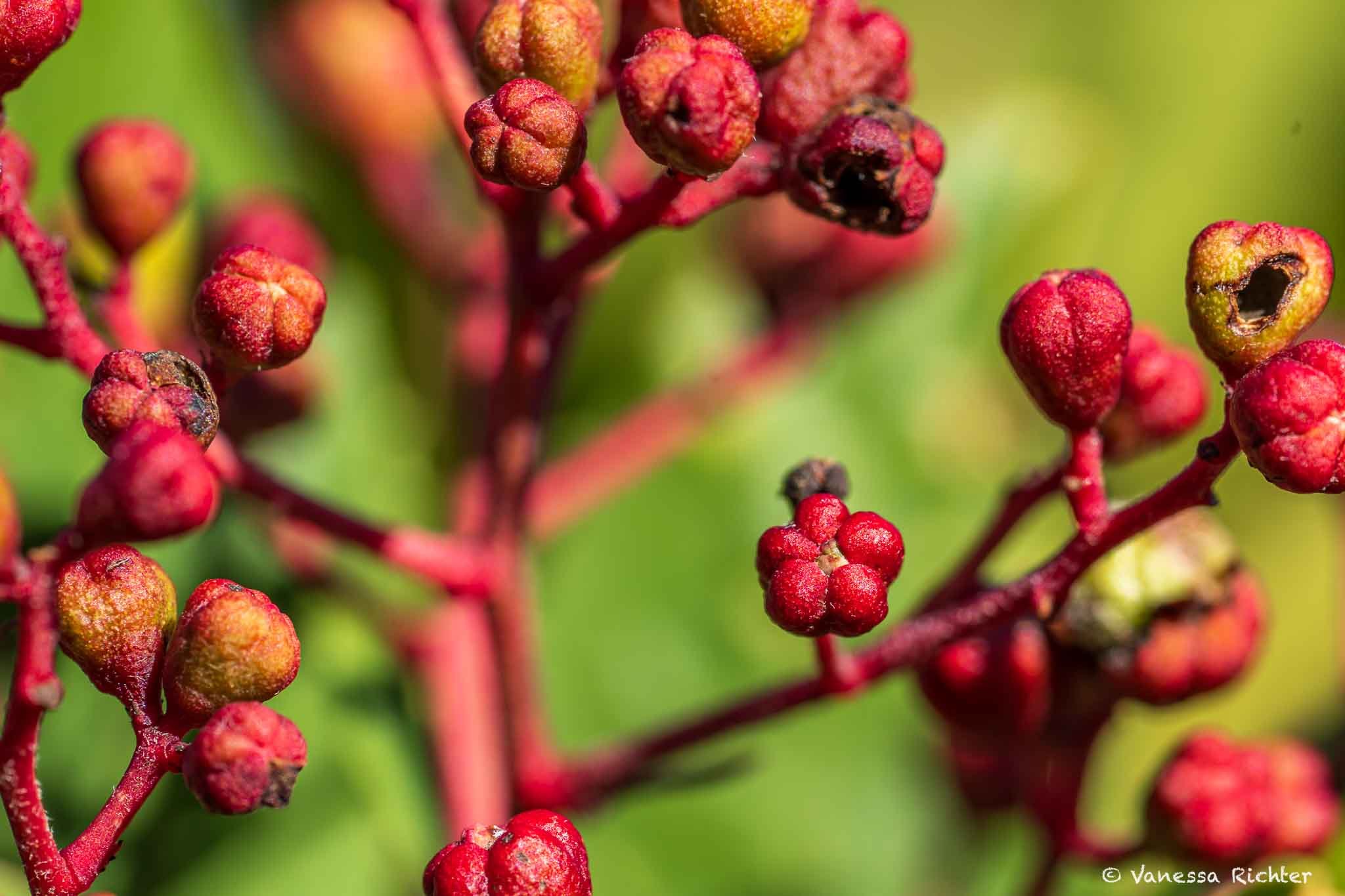
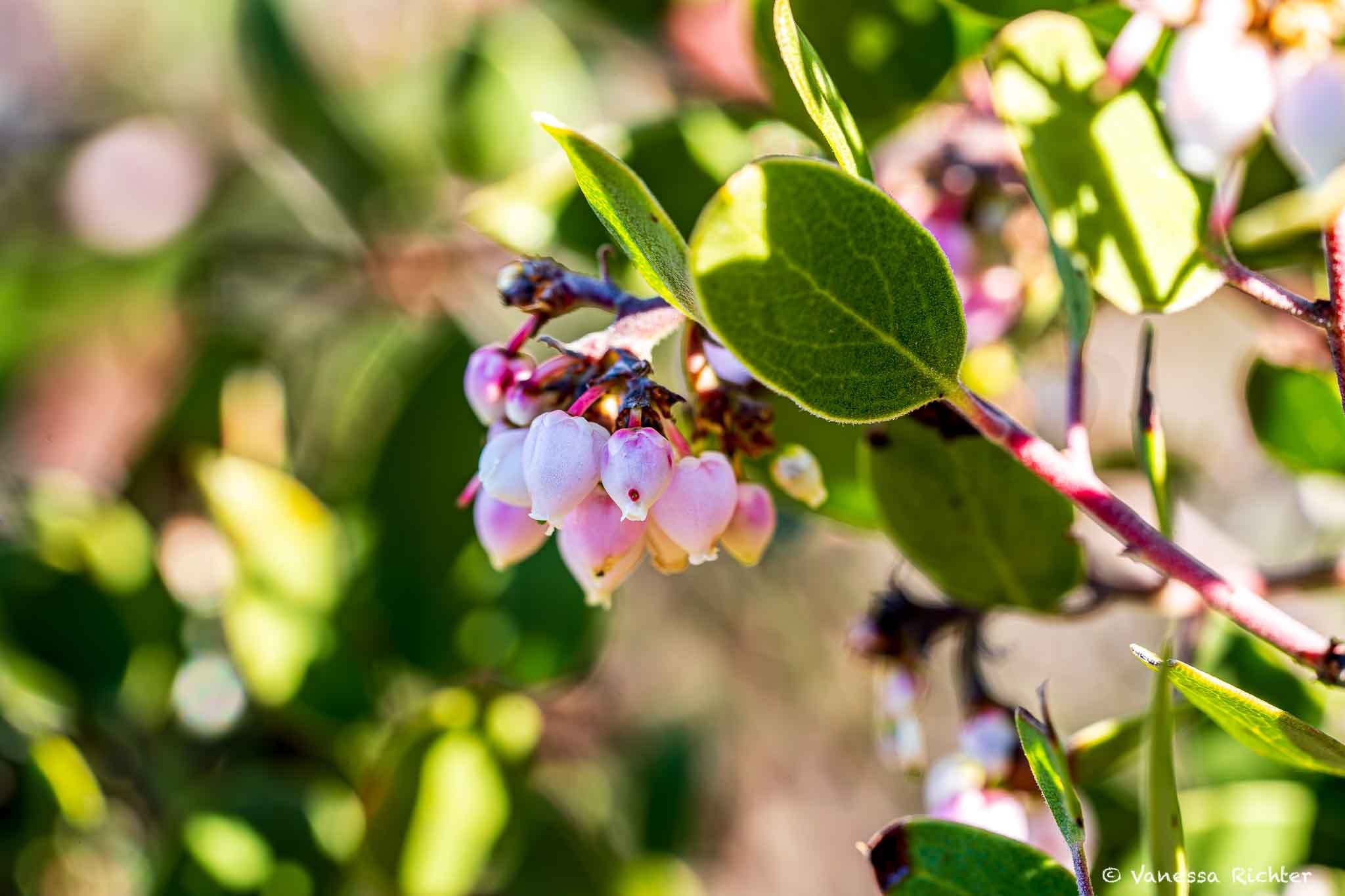
Chaparral Communities Define The Heart Of Pinnacles National Park
At Pinnacles National Park, chaparral shapes nearly everything you see. Covering about 82% of the landscape, this hardy plant community stretches from exposed ridges to sheltered canyons, thriving in the park’s hot, dry summers and cooler, wetter winters.
Chaparral may look uniform at first, but it’s surprisingly diverse. Its composition shifts with slope, soil, and sun exposure, creating subtle variations across the landscape. What unites this ecosystem is resilience. Most chaparral plants are dense, woody shrubs with clever adaptations to drought—small, waxy leaves, deep tap roots, or even summer dormancy to conserve water.
💡 Did You Know?
🍎 The name “manzanita” comes from Spanish, meaning “little apple”, a nod to its small, round, red berries that resemble tiny apples.
The most dominant shrub at Pinnacles is chamise, with its fine, needle-like leaves and clusters of white flowers blooming from late spring into summer. It commonly grows alongside buck brush, holly-leaved cherry, mountain-mahogany, black sage—and one of the most iconic plants of the chaparral: manzanita.
Manzanitas stand out with their smooth, reddish bark, twisting branches, and tiny, bell-shaped flowers. In late winter, they’re often among the first to bloom, offering an important nectar source for bees and hummingbirds. Well adapted to dry conditions, their small, leathery leaves reduce water loss, while deep roots help them endure long dry spells. Over time, their branches take on beautifully sculptural shapes.
📍 Where to See Manzanitas
Manzanitas are scattered throughout the park’s chaparral and rocky slopes. They’re especially noticeable along open ridges, sun-exposed hillsides, and woodland edges, where their smooth red bark and bell-shaped flowers stand out against the greenery.
⏰ Best Time to See Manzanitas
🌸 Late winter marks the arrival of manzanita blooms, one of the first signs of life in Pinnacles each year. Starting around mid-February, manzanitas burst into clusters of tiny bell-shaped flowers that often last through early April, depending on rainfall and elevation.
🍎 By late spring, manzanitas develop small red berries that resemble miniature apples.
🌿 Ecological Role of Manzanitas
Manzanitas are more than striking shrubs with smooth reddish bark—they are a cornerstone of Pinnacles’ chaparral ecosystem. Their flowers feed pollinators, supporting a diverse web of life, while dense branches offer shelter and nesting sites for birds and hiding spots for small mammals. The shrubs help stabilize soil on rocky slopes, reducing erosion and maintaining the resilience of the chaparral landscape.
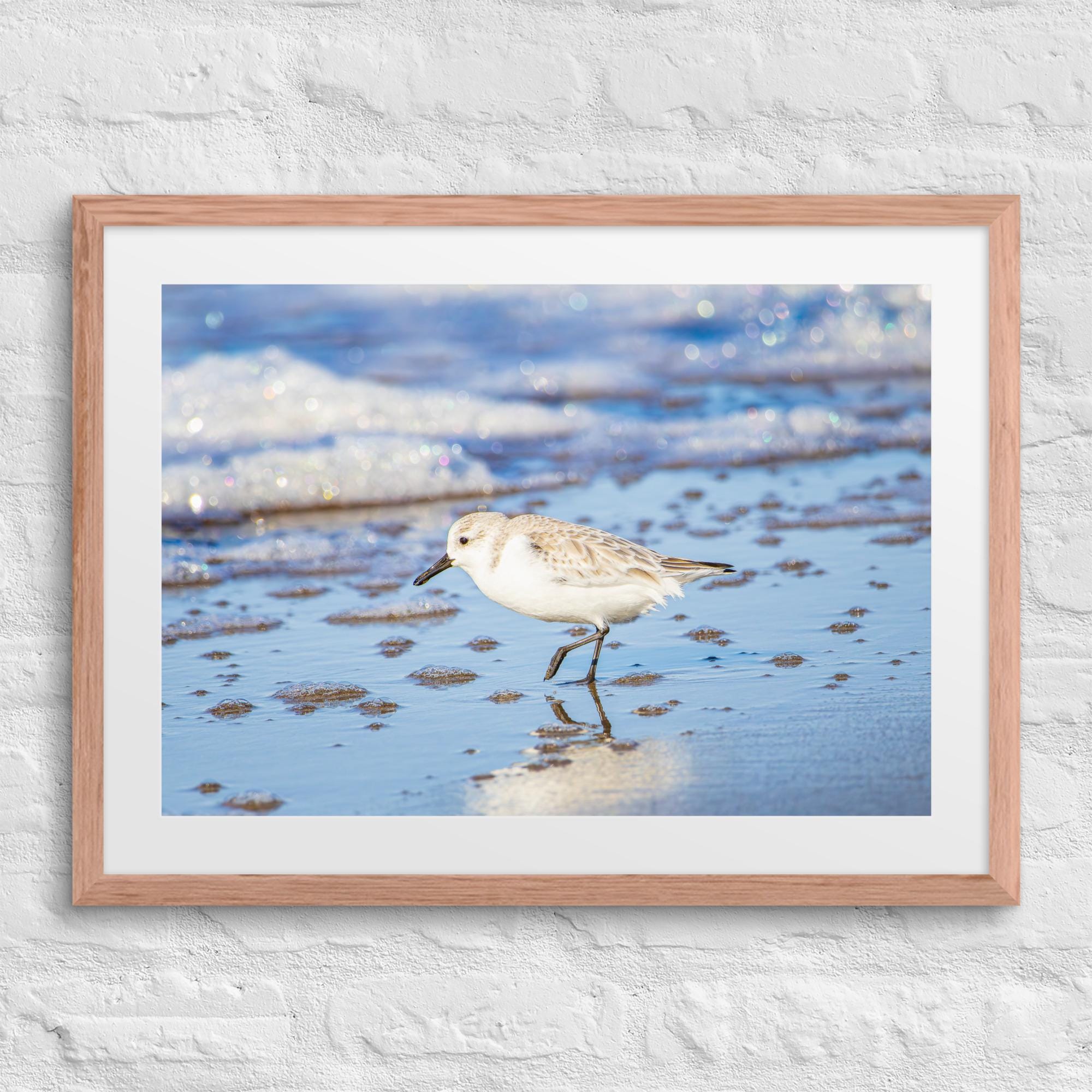
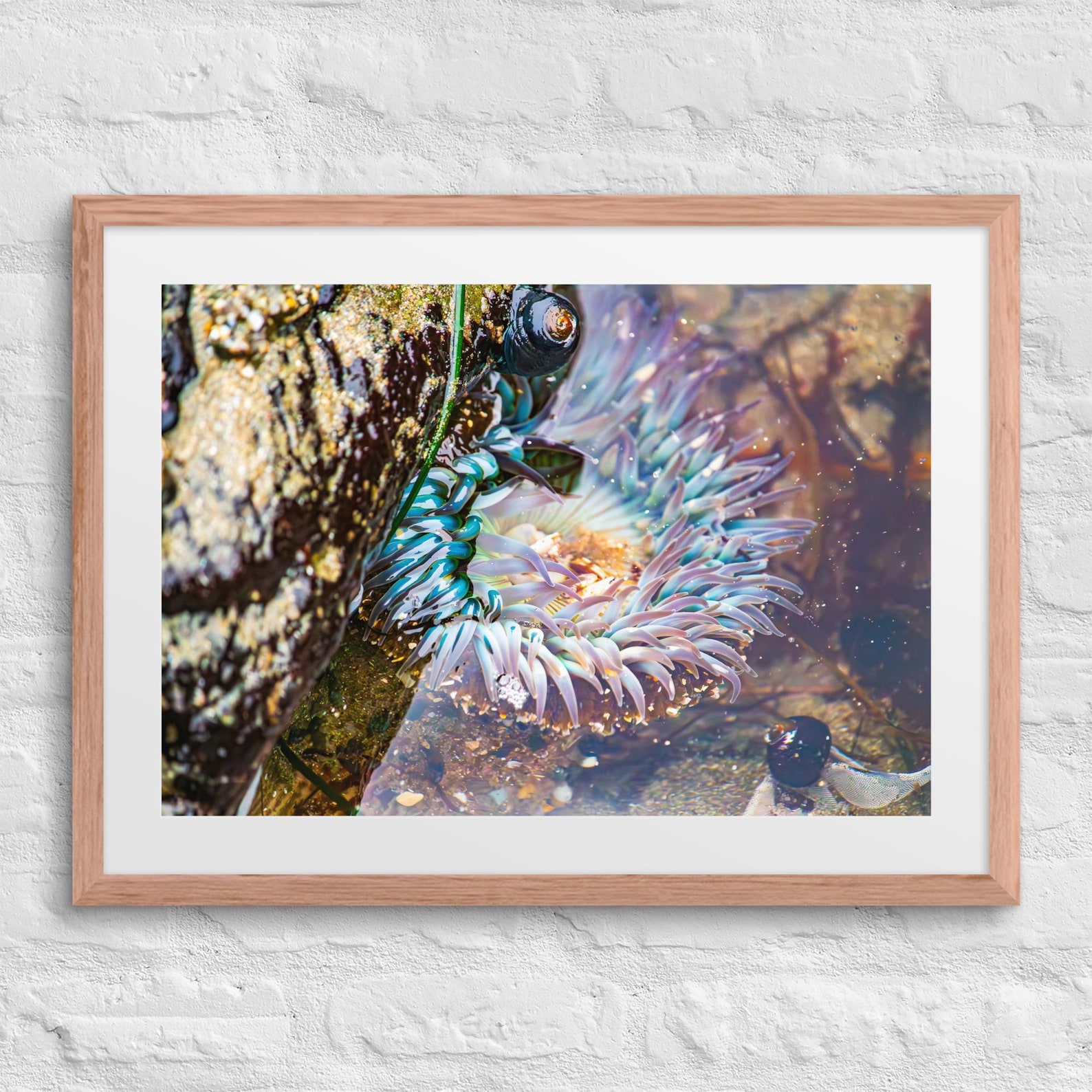
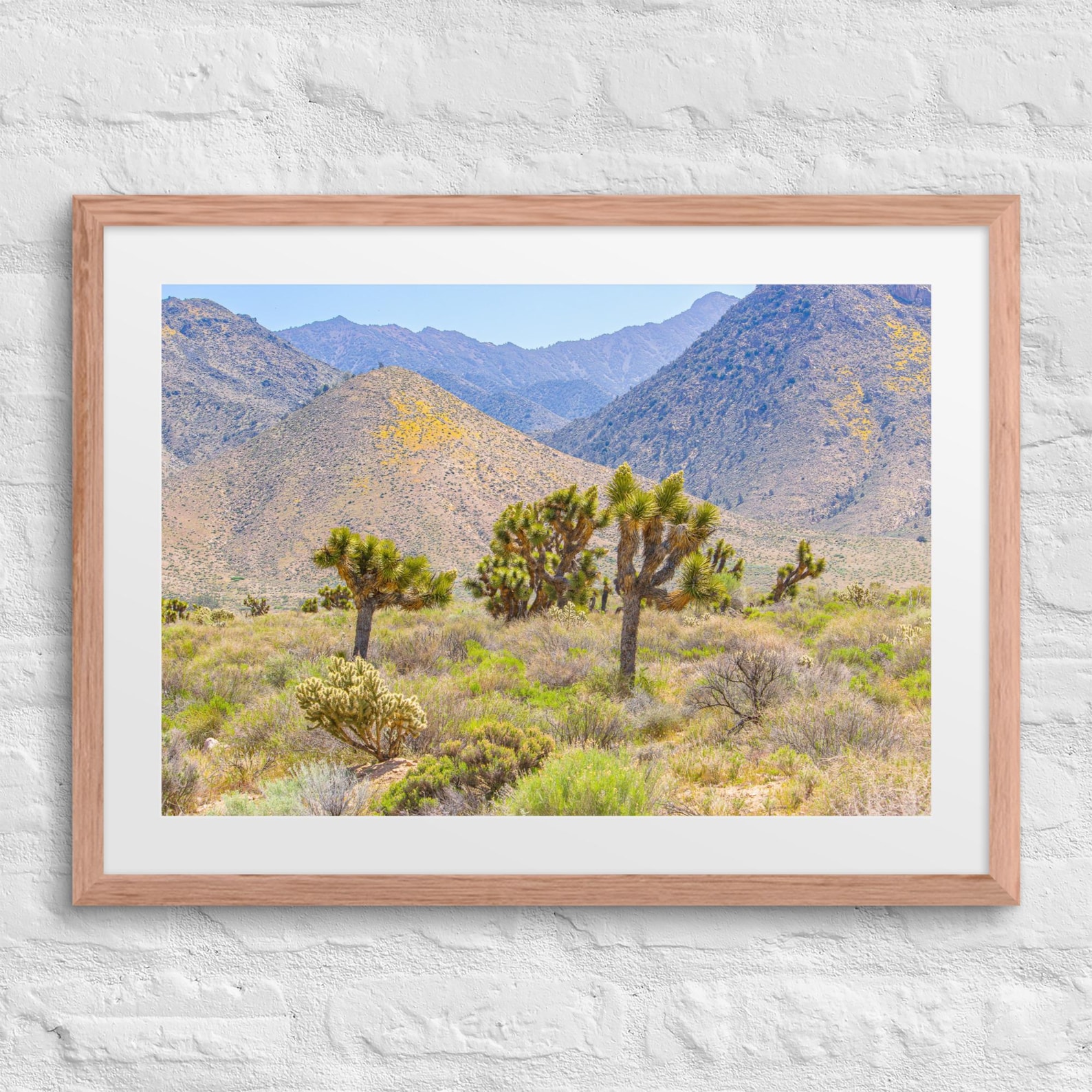
Explore My Nature Photography On Etsy
I’m excited to share my very first collection of nature photography on Etsy. Each piece brings a touch of the outdoors into your home. It’s brand new, and I’m continually adding new prints, so it’s worth checking back regularly to see the latest additions to my collection!
Click below to browse my full shop and see all available prints.
My Hike Recommendation: Condor Gulch To High Peaks Trail
A Trail Combo That Has It All
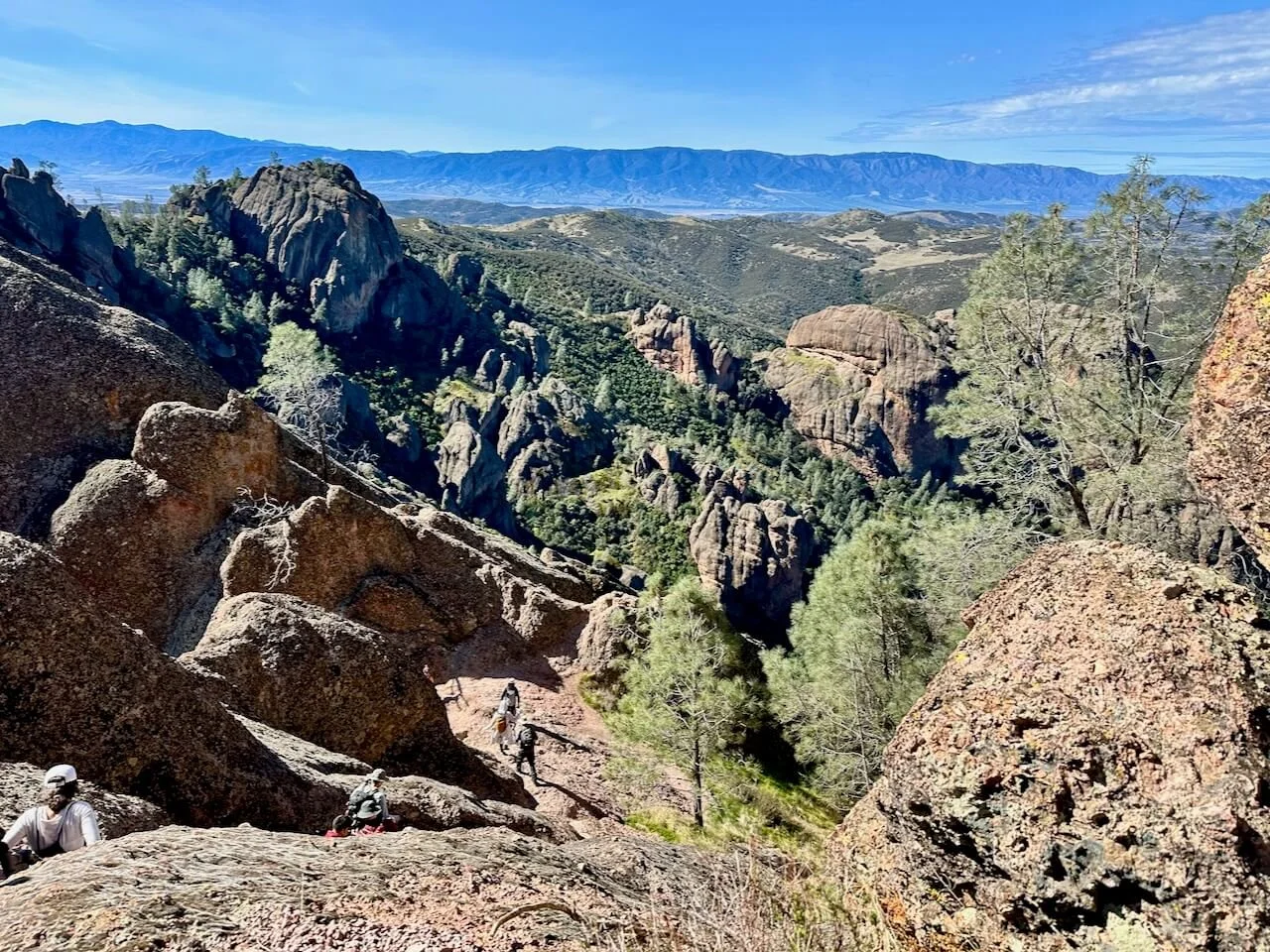
Stunning panoramic views stretch across the rugged, rocky landscape, with good chances of spotting California condors soaring overhead. In spring, wildflowers bloom across the hillsides. The trail also passes through a variety of vegetation, including more forested lower elevations where woodpeckers can often be seen foraging—look for tree holes and stashed acorns. It’s truly a sight to see. Plus, there’s a touch of adventure when descending from the High Peaks: a short, narrow section with handrails. It’s nothing too intense, but could be tricky for folks with a strong fear of heights.
📍 Distance: ~5.4 mi (8.7 km)
⛰ Elevation Gain: ~1,633 ft (498 m)
🔁 Route Type: Loop
I recommend starting at the Bear Gulch Nature Center (NOTE: this is not the starting point shown on AllTrails above—But the one I recommend since the parking area is larger, and this route gets you to the High Peaks area earlier). Begin on the Condor Gulch Trail and continue onto the High Peaks Trail. Toward the end, you’ll also have the chance to explore the caves (if open) and pass by the Bear Gulch Reservoir.
This hike is truly fantastic—just not in summer, when it gets very hot and there’s little shade.
🥾 The Hiking Gear I Can’t Leave Home Without - What I Actually Use
The High Peaks Trail is rugged and exposed — a trail where the right gear makes a real difference. If you plan to pass through the caves, a headlamp is essential; the passages get dark quickly and your phone torch won't cut it. I've put together a full list of what I use: the hiking shoes that hold up across rocky terrain, the backpack that keeps my back cool on warm spring days, and the small things (including my camera setup) that I genuinely wouldn't leave without.
→ Explore My Tried-and-True Hiking GearKnow Before You Go
Park Structure & Access
- Pinnacles National Park is divided into two main areas: East and West Entrances.
- There is no road connecting the two sides, but a network of hiking trails connects them.
- The West Entrance tends to be quieter, offering a more serene experience, while the East Entrance is busier and closer to the main visitor center and popular hikes. Plan accordingly if you hope to explore both sides in a single visit.
Best Time to Visit & Weather
- 🌟 February–April: The best time to hike—pleasant temperatures, blooming wildflowers, and active wildlife.
- (Late) October–March: Cooler and wetter, with mild hiking conditions. Trails can be muddy after heavy rains. Spring rains bring wildflowers and lush greenery.
- May–September: Hot and dry. Midday temperatures can be extreme, especially on exposed trails. Plan hikes for early morning or late afternoon, and carry plenty of water and sun protection.
Campgrounds
- Pinnacles Campground: The only campground in Pinnacles National Park, located on the east side. Near Bear Gulch Cave, Condor Gulch Trail and Reservoir. View campground details here.
Visitor Centers
- Pinnacles Park Store: Located in the Pinnacles Campground. Get your passport stamped, buy souvenirs, books, and games, and learn more about the park.
- West Pinnacles Visitor Contact Station: Pick up park information and souvenirs. May be closed seasonally due to low staffing.
- Bear Gulch Nature Center: Watch the park film for an overview of Pinnacles.
Leave No Trace
- 🗑️ Pack It In, Pack It Out: Carry out all trash, including food scraps, to avoid attracting wildlife.
- 🌿 Minimize Human Impact: Stay on trails, observe wildlife from a distance, and do not remove plants, rocks, or other natural objects.
- 🐾 Pets: Only allowed in developed areas and on roads; not permitted on most trails to protect wildlife and sensitive habitats.
🕰️ A Quick Timeline: The History of Pinnacles National Park
An Ancient Volcano Forms
The dramatic rock formations at Pinnacles began as part of a powerful volcanic complex that erupted during the Miocene epoch near present-day Lancaster in Southern California.
Over millions of years, movement along the San Andreas Fault slowly transported parts of this volcanic field more than 190 miles northwest to their current location.
Erosion Shapes the Pinnacles
As the volcanic rock fractured and weathered, erosion gradually carved the landscape into the towering spires, cliffs, caves, and narrow canyons that define the park today.
The rugged terrain also created isolated habitats that support a remarkable diversity of plants and wildlife.
Indigenous Peoples in the Region
Humans arrived in California at least 13,000–15,000 years ago. The land around Pinnacles lies near the traditional territories of Indigenous groups associated with the Ohlone (Costanoan) and Salinan cultural regions.
For thousands of years, Native communities used the surrounding valleys and hills for seasonal hunting, gathering, and travel. They harvested acorns from oak woodlands, hunted game, and likely used controlled burning to maintain healthy grasslands and plant communities.
Spanish Missions Transform the Region
Spanish colonization brought dramatic change to central California. Indigenous people from the region were taken to nearby missions, including Mission San Antonio de Padua (1771) and Mission San Juan Bautista (1797).
The mission system disrupted traditional lifeways and introduced European livestock and agriculture, which began reshaping the surrounding landscape.
Ranching & Early Exploration
Following Mexican independence in 1821, large land grants known as ranchos spread across California. Cattle grazing became common in the valleys surrounding Pinnacles.
Small-scale mining, hunting, and homesteading also occurred during this period, gradually increasing human impacts on the landscape.
Schuyler Hain Promotes the Pinnacles
Homesteader Schuyler Hain settled in Bear Valley and became fascinated by the unusual rock formations.
He built early trails and passionately promoted the area as a scenic destination, helping spark interest in protecting the landscape.
Pinnacles National Monument Established
Recognizing the area's unique geological formations and ecological value, President Theodore Roosevelt designated the area as Pinnacles National Monument.
This protection helped safeguard the landscape from mining, excessive grazing, and development.
California Condors Return
As part of a major conservation effort, endangered California condors were reintroduced to the region. The towering cliffs and remote terrain of Pinnacles provide ideal nesting and roosting habitat.
Pinnacles Becomes a National Park
After more than a century as a national monument, Pinnacles was redesignated as Pinnacles National Park, becoming California’s newest national park.
Today the park protects over 26,000 acres of volcanic spires, caves, oak woodlands, and chaparral habitat.
I hope you enjoyed this article — by a real human for real humans. If you liked this guide, you can help me continue creating free resources like it.
Buy me a coffeeFollow the Adventure
Latest on the Blog
Looking For Something Else?

I’m the writer and photographer behind Venture Beyond the Picture.
You're in the right place if you're looking for nature-focused guides, real tales from the trails, and photography that celebrates wild landscapes. I'm especially drawn to the quieter, equally fascinating details in nature that are easy to miss, and to digging into the ecological story of a place. You'll find a range of easy-to-scan travel guides, deep dives, stories from my favorite hiking trails, and the occasional science-y exploration of the latest research on ecological topics.