
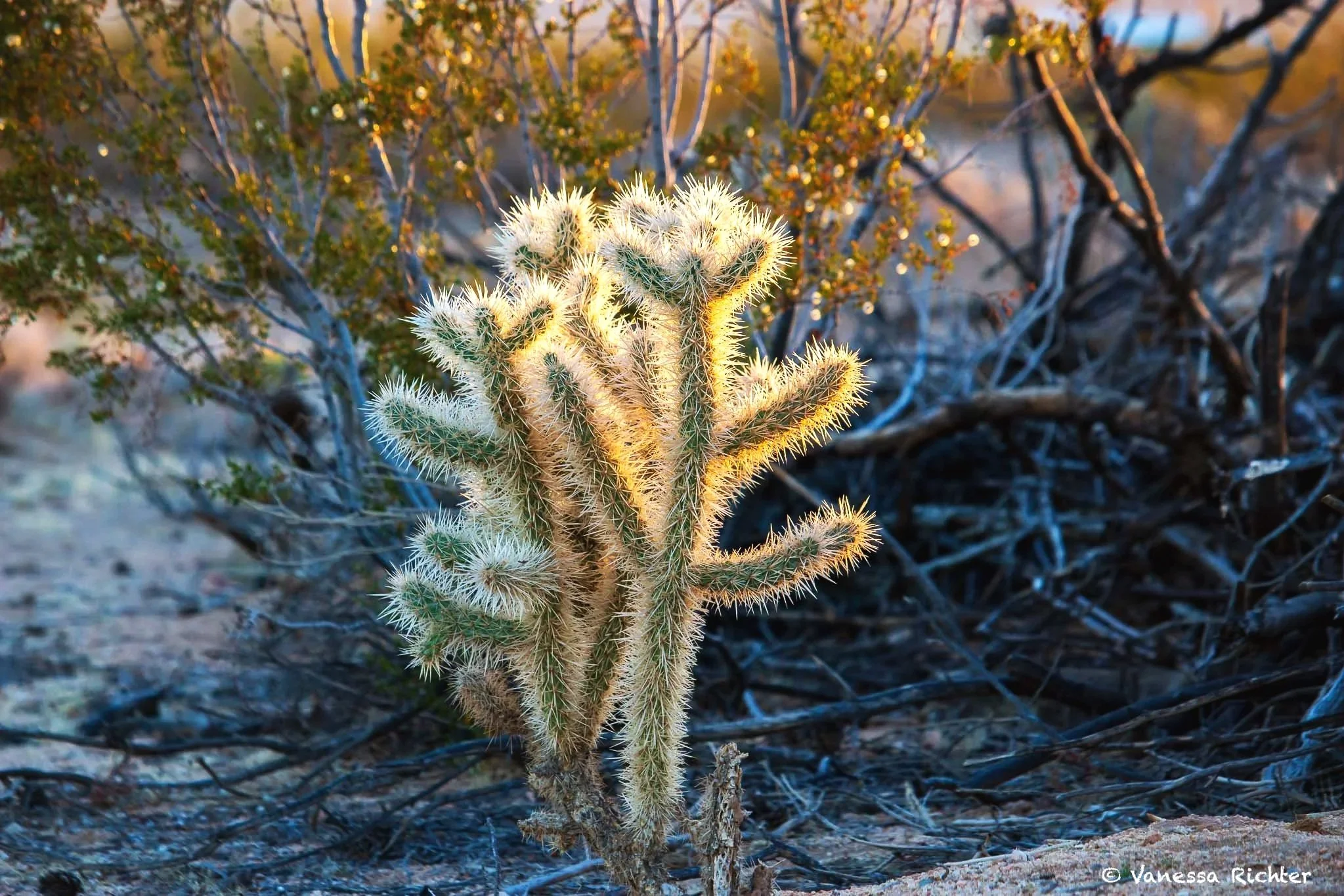
Science-y Field Notes
The hidden stories behind the places we love.
Exploring nature is amazing for many reasons: whether it’s stunning mountain views, the birds singing, flowers blooming, the refreshing lake on a hot summer day, the rushing river in spring, or simply the peacefulness. When we’re out and about, we experience what is around us at a given point in time, often feeling as though it’s always been this way. Yet every place has a history — nature, just like us, is in constant motion. Environmental conditions are changing; sometimes slowly over a long period of time, sometimes abruptly. When a hurricane or a wildfire rages through an area, variables can change dramatically in an instant.
Everything that we get to see and experience around us is there for a reason, responding to the conditions of the environment. Every leaf shape from the broadleaf evergreen trees to cacti spines in the desert (yes they are technically leaves!), the length of a bird’s beak, how trees and shrubs are spaced in a forest, or how hairy, thorny, or poisonous a species is, is exactly the way it is for a reason. None of it is a coincidence; these traits have evolved over millions of years in response to certain conditions. If you really let that sink in, what you see on any random hike will become fascinating beyond the most amazing views, the oddest rock or the prettiest flower. The plants that you may not have noticed before become suddenly interesting because there are so many things to wonder about: why and how they came to be the way they are, how they are connected with the rest of the ecosystem or why they may be so young or old; looking healthy or distressed and what may happen to them in the future.
In the not-so-distant past, conditions did typically change slowly and steadily, so ecosystems could adapt on a timescale they had evolved to handle. Now, we have changed the variables in an earth-historic instant: warming up the atmosphere significantly in just a few decades, destroying habitats in days, moving plants and animals into ecosystems they did not evolve in, and polluting the oceans and land with an array of harmful chemicals and substances.
However, this is not supposed to be a place for blaming, finger-wagging, or doom (at least not purposefully). Yes, we (humans as a whole) have to do better to make our existence sustainable on this planet. But not everything we do is bad: in some places we have started to help nature rebound. Take my chosen home: San Francisco. People, whether from here or not, are often surprised to learn that there is a lot of natural park land within the city — the Presidio, a historic army base, became a national park in 1994 and since then people have worked tirelessly to restore critical habitat for birds, butterflies, and other species. Species like the variable checkerspot butterfly and the Pacific chorus frog have even been reintroduced and are now thriving again. And most recently, the silvery blue butterfly has been introduced as a living stand-in for its extinct cousin, the Xerces blue butterfly. All of this, within the limits of a major city. In the nooks and crannies of all the bad news, there is hope too.
This is a place to explore the good, the bad and the ugly. This is a place dedicated to exploring nature on a deeper level. We’ll look at the latest research around the American West, in places that we cherish for their natural beauty: how and why they are changing, what threatens them and what helps them thrive.
How does an ancient forest rebuild after a seemingly devastating wildfire? What happens to an ecosystem after a keystone species is gone? Why are these butterflies overwintering in a non-native tree, and what did they do before that?
These are the kinds of questions we’ll explore here. Welcome!
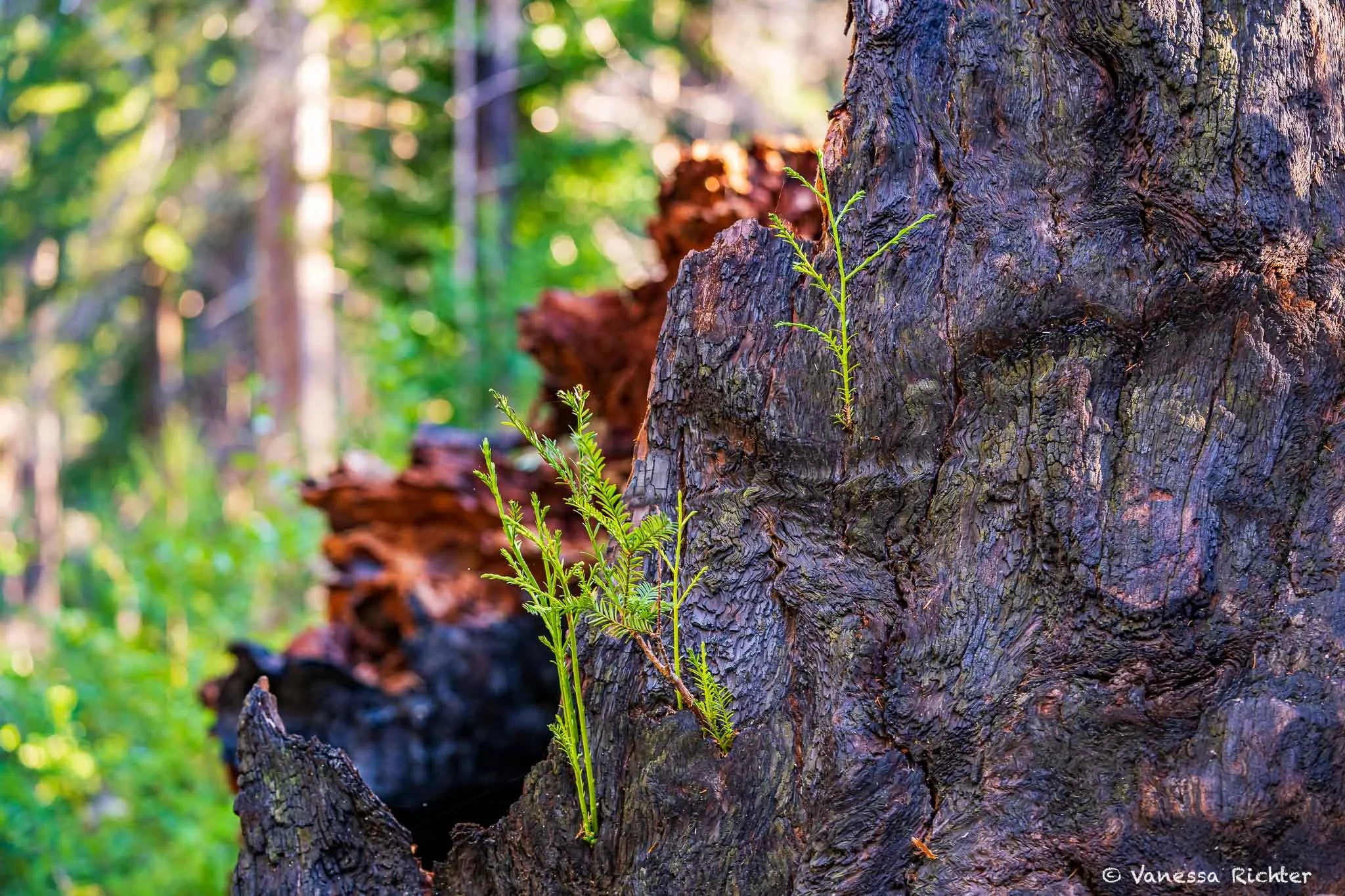
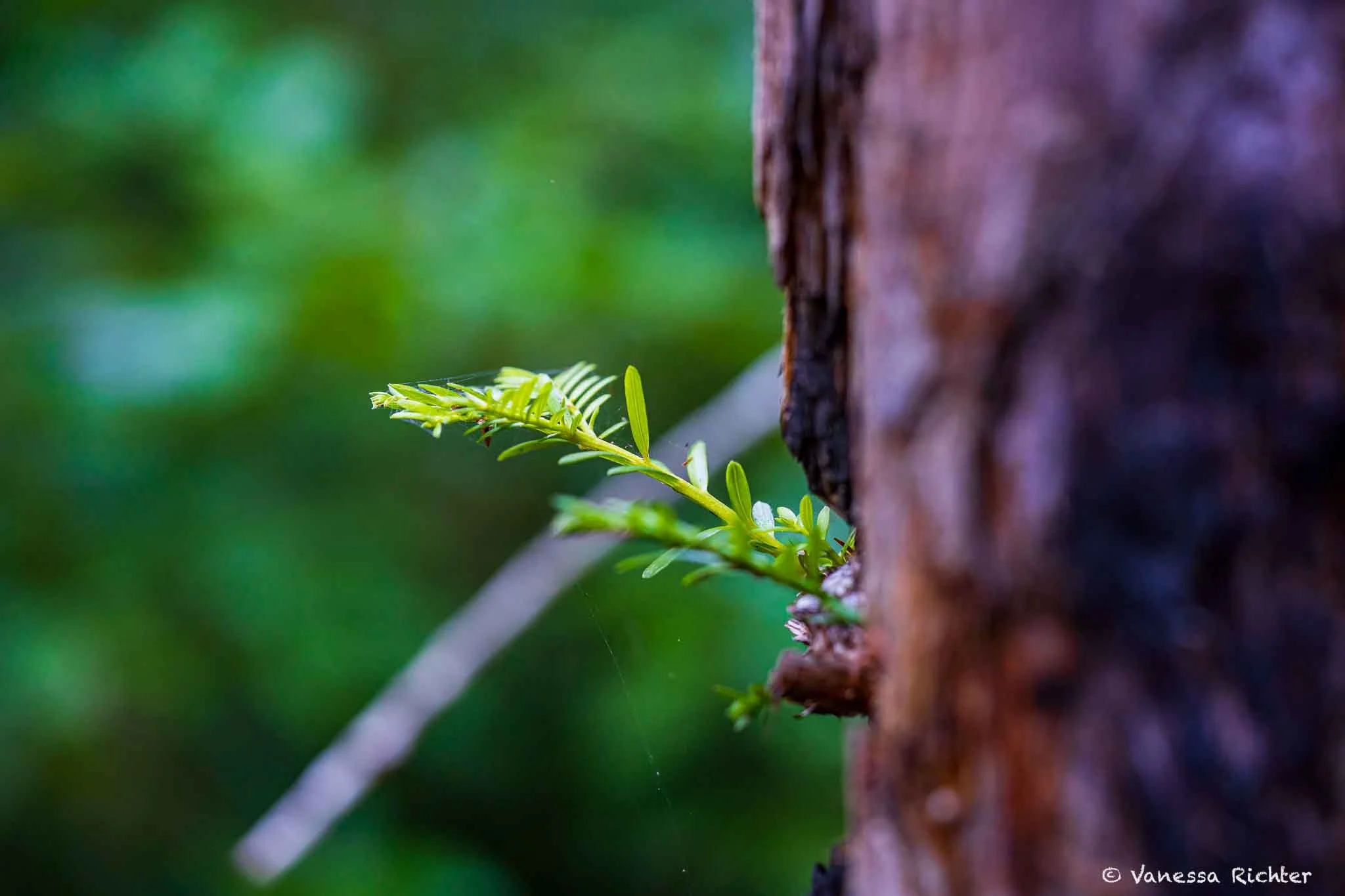
What Big Basin’s Redwoods Are Teaching Us About Ecological Recovery After Extreme Fire
Six years ago, 97% of California's oldest state park was engulfed in flames. Now, it is one of the most hopeful places I've set foot in. I went to see the recovery for myself, and dug into the new research explaining it.
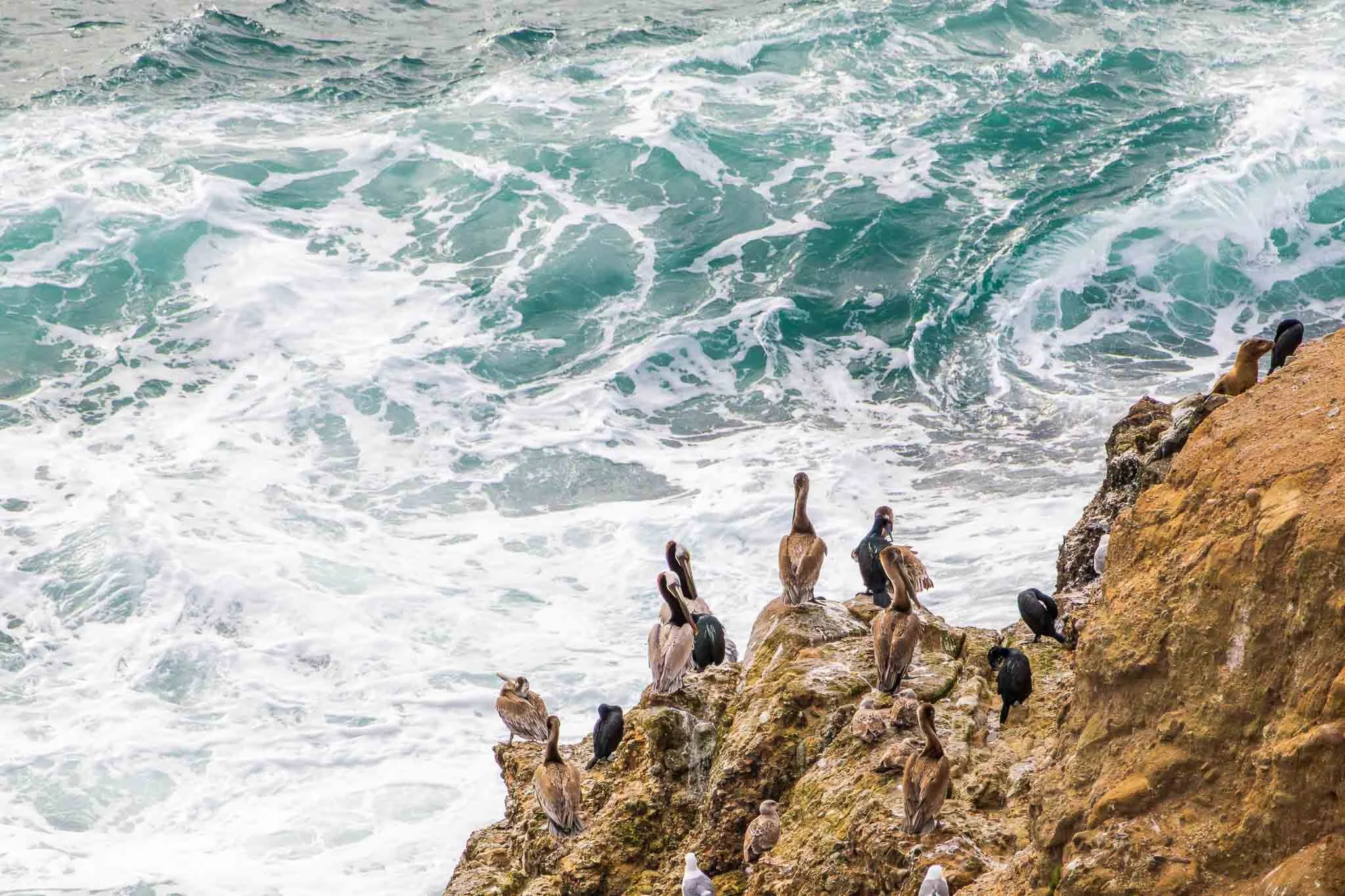
Point Reyes Birding in Summer: A Data-Driven Field Guide
What birds are at Point Reyes in summer? A data-driven guide to year-round residents, nesting species, migrants, and rare visitors, from real sightings.