Point Reyes Birding in Summer: A Data-Driven Field Guide

What birds are at Point Reyes in the summer months (June, July, August)? A data-driven guide to year-round residents, species present for nesting specifically, non-breeding migrants, and rare visitors. Based on real sightings.

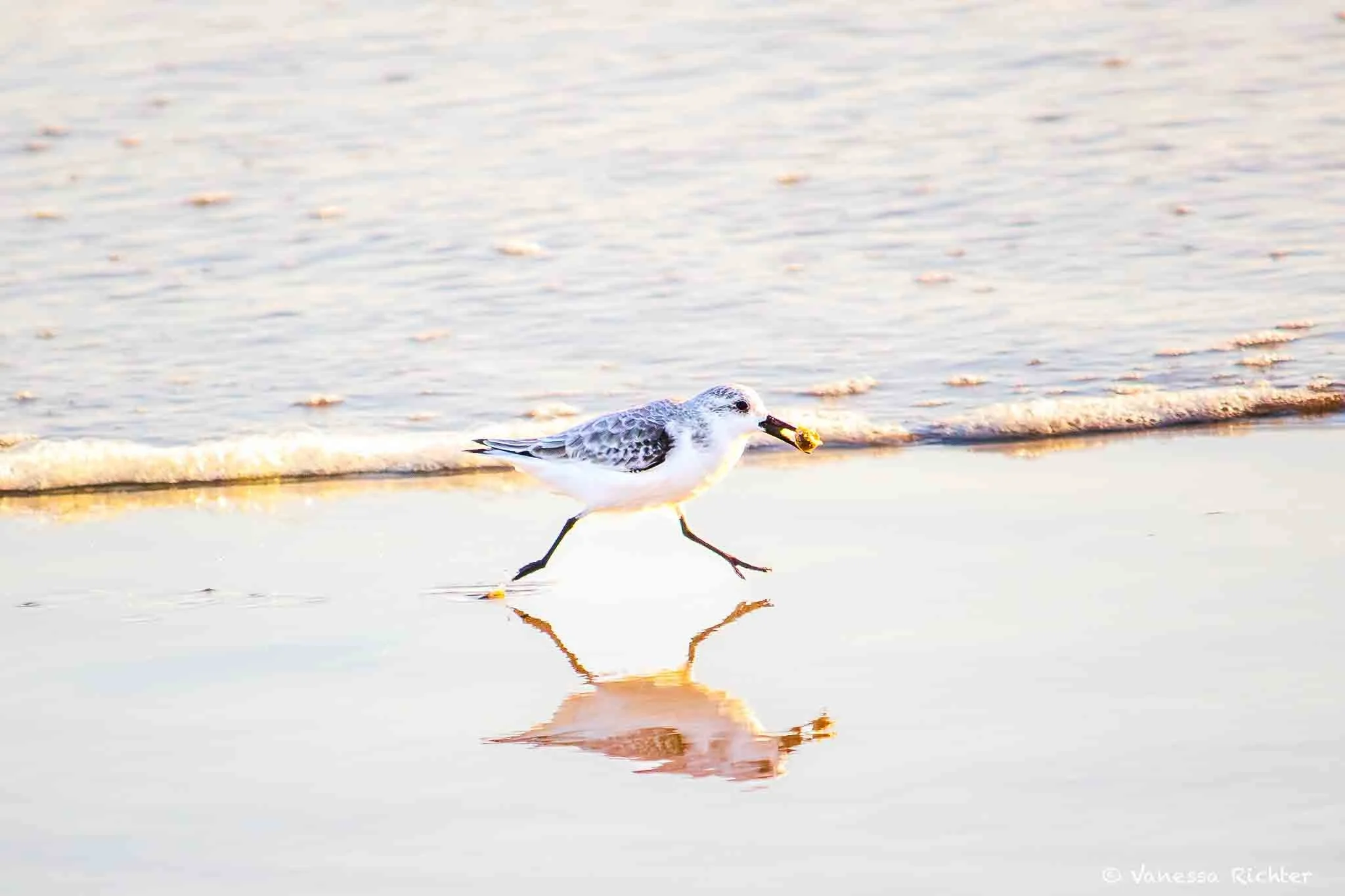
A Sanderling runs through the shallow water with a catch in its beak, its reflection visible on the surface.
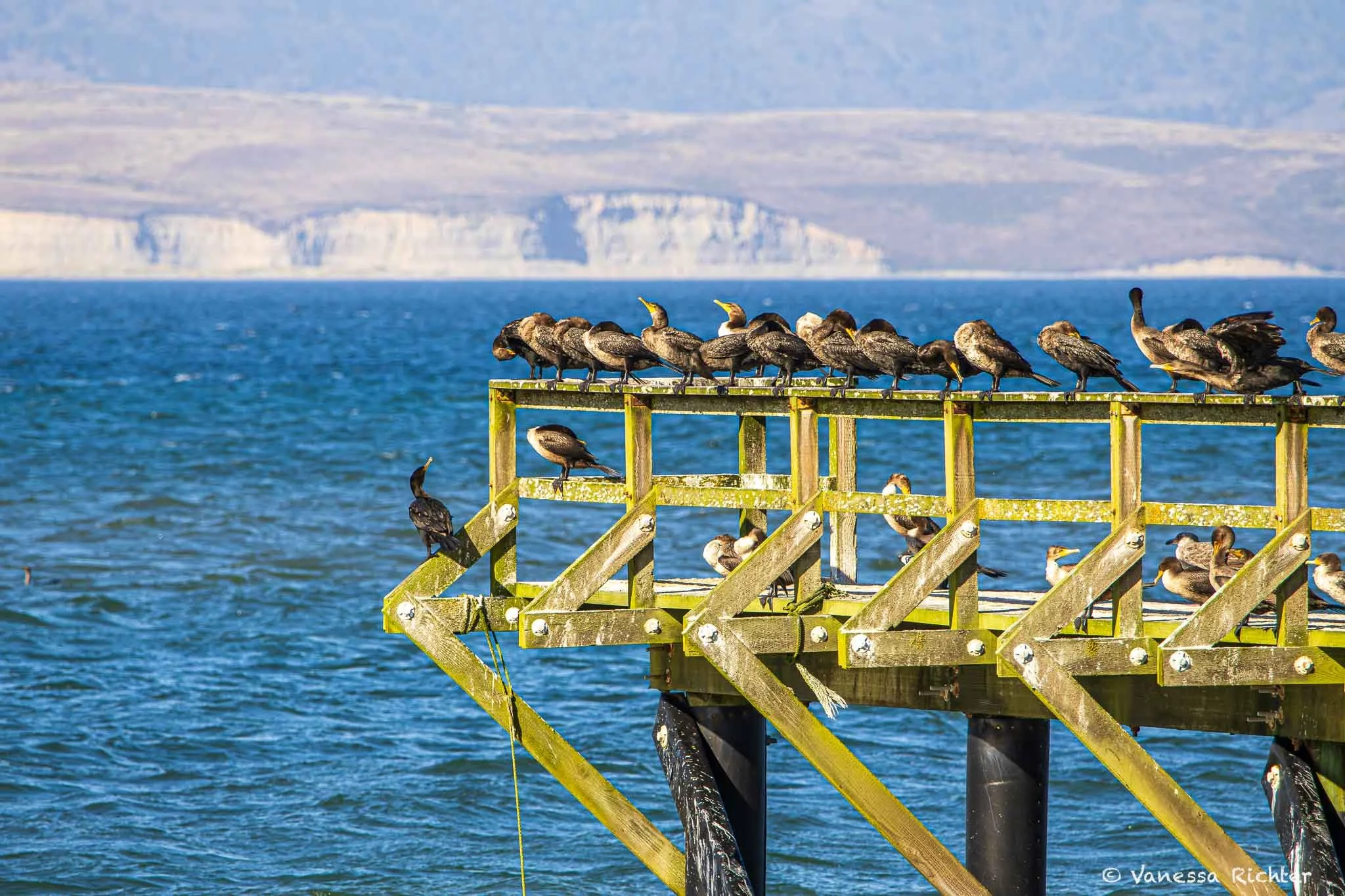
Cormorants and pelicans perch on a railing near Chimney Rock in the bay, with deep blue water and the shoreline in the background.
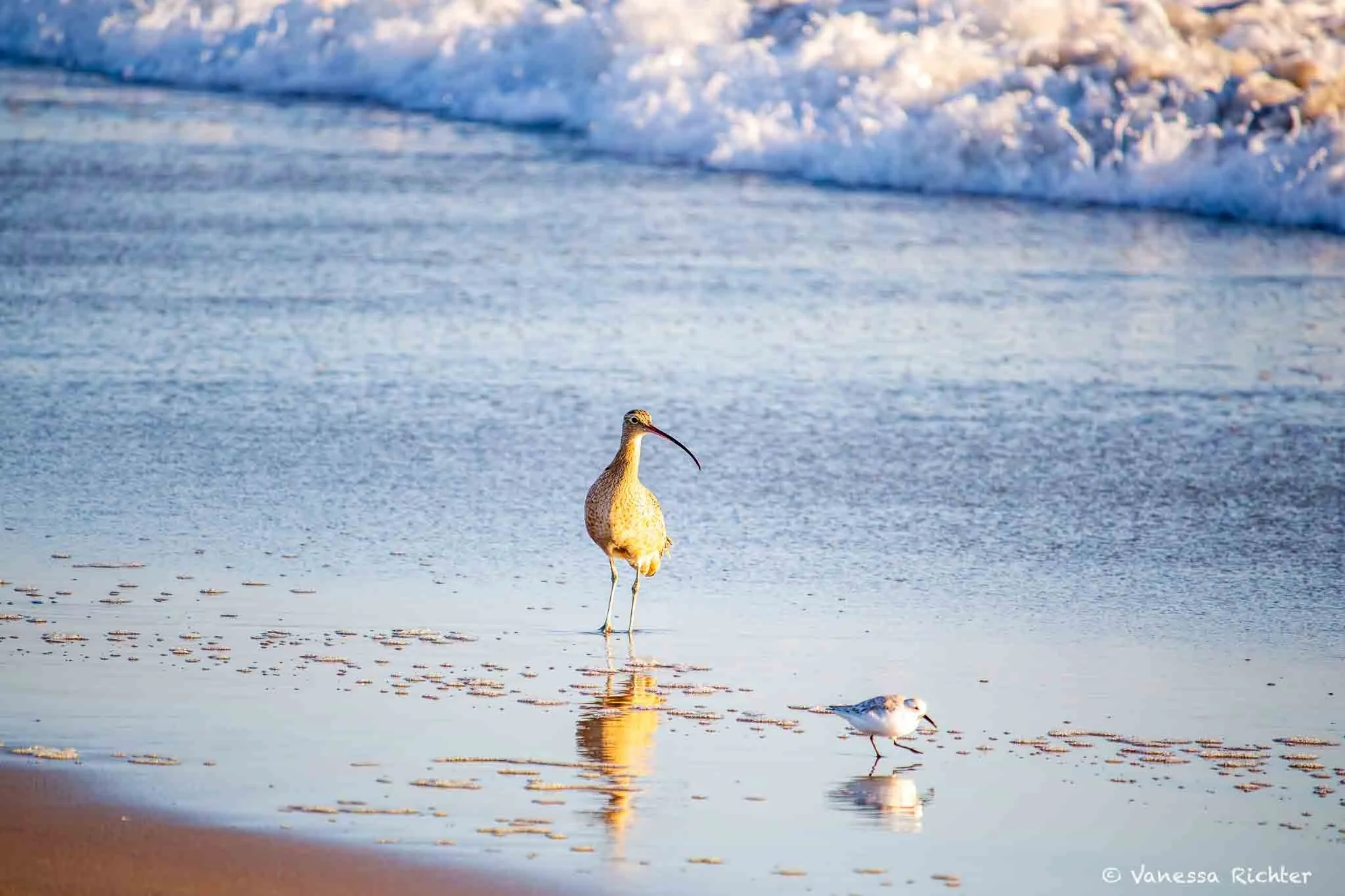
A Long-billed Curlew and Sanderling stand in the flat water.
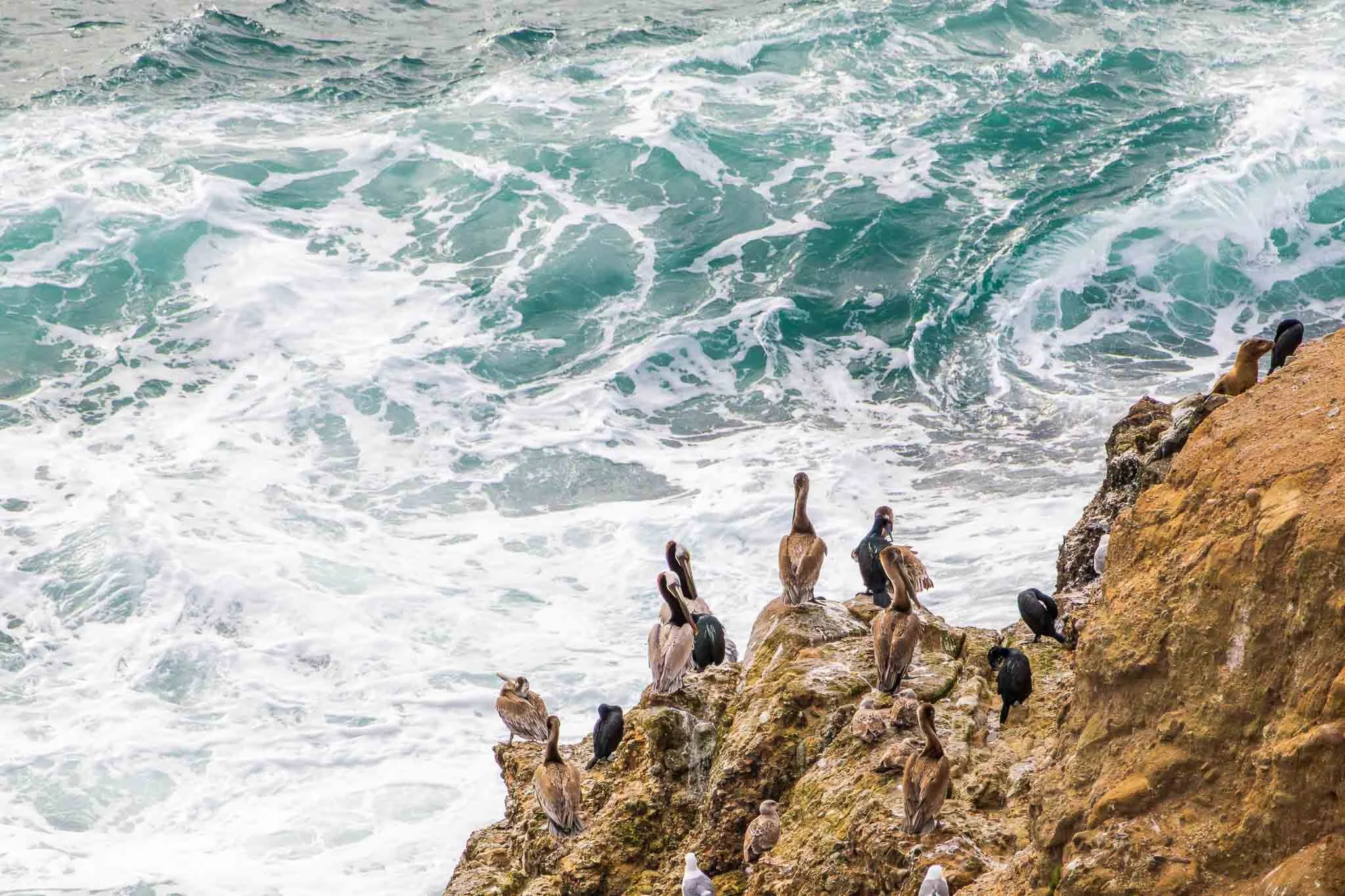
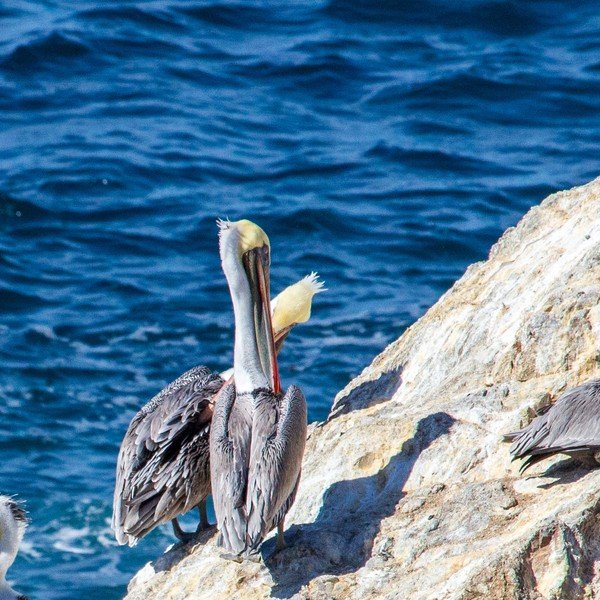
Brown Pelicans perch on a rocky cliff at the ocean.

Point Reyes National Seashore is one of the best places in the United States to go birdwatching. The large variety of habitats, from grasslands to coastal scrub to mature forests, supports rich biodiversity, including our feathered friends. To create this guide, I combined my love for nature, photography and writing with my background in science to provide you with statistics on which birds you're most likely to observe at Point Reyes in the summer months of June, July and August: Who is just here for the breeding season, post-breeding, just passing through, year-round or a rare visitor? The guide is based on what people have actually observed here.

Top 10 most commonly observed
California Quail
1California Quail Callipepla californica
562
White-crowned Sparrow
2White-crowned Sparrow Zonotrichia leucophrys
479
Brown Pelican
Brown Pelican Pelecanus occidentalis
277
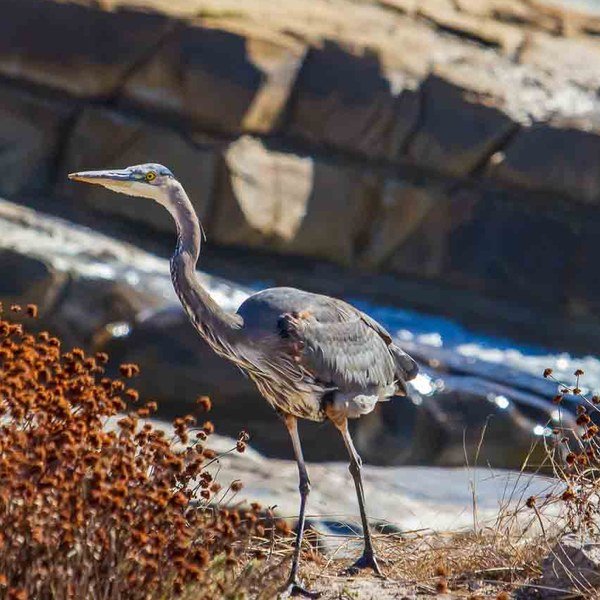
Great Blue Heron
4Great Blue Heron Ardea herodias
244
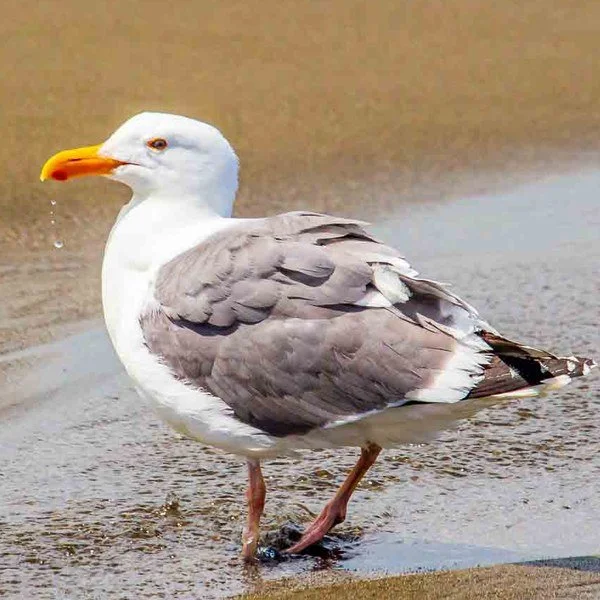
Western Gull
5Western Gull Larus occidentalis
191
6
Song Sparrow Melospiza melodia
189
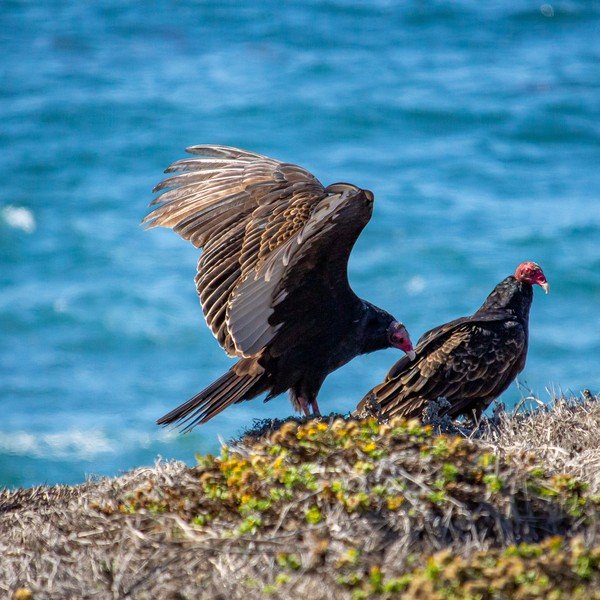
Turkey Vulture
Turkey Vulture Cathartes aura
179
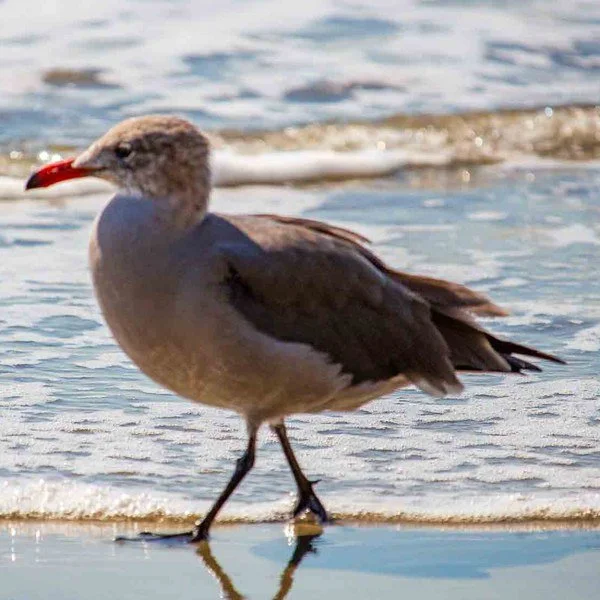
Heermann's Gull
8Heermann's Gull Larus heermanni
174
9
Osprey Pandion haliaetus
164
10
Great Egret Ardea alba
153
Most-seen nesting migrants
Osprey Pandion haliaetus164
Barn Swallow Hirundo rustica104
Wilson's Warbler Cardellina pusilla58
Swainson's Thrush Catharus ustulatus52
Pigeon Guillemot Cepphus columba41
Most-seen non-breeding migrants
Brown PelicanBrown Pelican Pelecanus occidentalis277
Heermann's GullHeermann's Gull Larus heermanni174
Caspian Tern Hydroprogne caspia119
Surf Scoter Melanitta perspicillata92
California Gull Larus californicus52
Species of legal concern
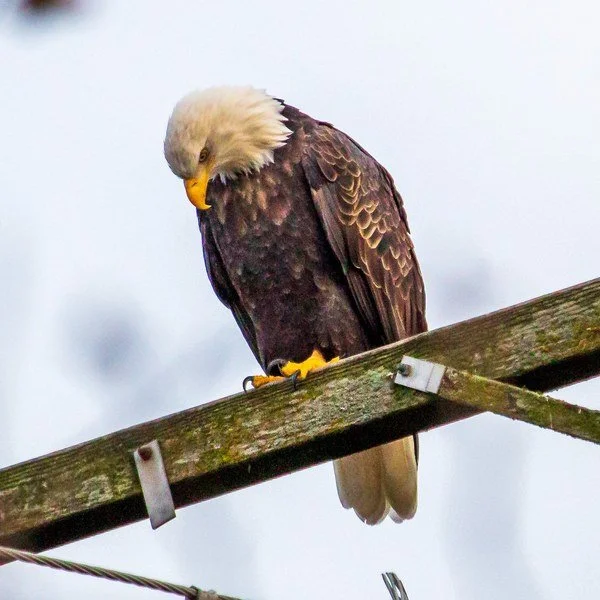
Bald Eagle, Point Reyes
Bald EagleHaliaeetus leucocephalusState Listed - Endangered
19
Willow FlycatcherEmpidonax trailliiState Listed - Endangered
2
Snowy PloverAnarhynchus nivosusFederally Listed - Threatened
38
Tricolored BlackbirdAgelaius tricolorState Listed - Threatened
2
Swainson's HawkButeo swainsoniState Listed - Threatened
1
Bank SwallowRiparia ripariaState Listed - Threatened
1
White-tailed KiteElanus leucurusCDFW Fully Protected
14
Recovered species
Once listed as endangered or threatened, now delisted after successful recovery.
Brown PelicanPelecanus occidentalis californicusDelisted – Recovered
277
Peregrine FalconFalco peregrinus anatumDelisted – Recovered
28
01
Year-round Residents
81 species
4,426 sightings
New World Quail1 SPECIES
Chaparral edges and open ranchland
California QuailCallipepla californica★ 1
562
Turkeys & Pheasants1 SPECIES
Open ranchland and grassland edges near historic ranches
Wild TurkeyMeleagris gallopavoInvasive
24
Waterfowl4 SPECIES
Sheltered water
MallardAnas platyrhynchos
29
Wood DuckAix sponsa
24
GadwallMareca strepera
23
Canada GooseBranta canadensis
7
Loons, Grebes & Pelagic Seabirds2 SPECIES
Open water, from ponds to offshore
Western GrebeAechmophorus occidentalis
8
Pied-billed GrebePodilymbus podiceps
5
Pelicans & Cormorants3 SPECIES
Coastal waters and rocky perches
Double-crested CormorantNannopterum auritum
62
Brandt's CormorantUrile penicillatus
45
Pelagic CormorantUrile pelagicus
27
Herons & Egrets5 SPECIES
Shallow estuaries and marsh
Great Blue HeronArdea herodias★ 4
244
Great EgretArdea alba★ 10
153
Black-crowned Night HeronNycticorax nycticorax
27
Snowy EgretEgretta thula
17
Green HeronButorides virescens
5
A conservation success story
Great Blue Heron, Great Egret & Brown Pelican
Ardea herodias · Ardea alba · Pelecanus occidentalis
Today, Great Blue Heron, Great Egret, and Brown Pelican are among the most commonly seen birds at Point Reyes in summer. Yet all three were once pushed to the brink of extinction.
In the late 1800s, heron and egret plumes were worth more than gold by weight to the millinery trade, and hunters raided nesting colonies across the country, wiping out hundreds of birds in days. By the 1890s, Great Egret (Ardea alba), Snowy Egret (Egretta thula), and Great Blue Heron (Ardea herodias) had all been hunted to the edge of extinction across much of the U.S. Two Boston women, Harriet Hemenway and Minna Hall, read about the slaughter in 1896 and started organizing tea parties to convince society women to stop wearing feathered hats. That campaign grew into the Massachusetts Audubon Society, then the National Audubon Society, and led to the Migratory Bird Treaty Act of 1918 — one of the first federal environmental protections in U.S. history. All three species recovered steadily afterward. In 1953, the National Audubon Society adopted a flying Great Egret as its official symbol, specifically because the species had come to represent conservation success.
Brown Pelican's story is different, but shares the same root cause: human activity nearly wiped them out. Hunting and habitat loss played a role, but an even bigger factor was pesticide use. Brown Pelican, along with many other fish- and meat-eating species on this list — Bald Eagle among them — was pushed to the edge of extinction by a single chemical.
DDT (dichlorodiphenyltrichloroethane), a synthetic insecticide, was once used widely. What wasn't known at the time was that it accumulates in animals' fatty tissue. It washed into rivers and soils, where animals came into contact with it, and through a process called biomagnification, it concentrated in greater and greater amounts the higher a species sat in the food chain. Birds were especially affected: DDT in their bodies caused eggshell thinning, and shells grew so brittle that many broke under the weight of the incubating parent. Top predators like Bald Eagle, hawks, and Brown Pelican were hit hardest — they laid fewer eggs than smaller birds to begin with, and their position at the top of the food chain meant more DDT concentrated in their bodies.
Silent Spring, Rachel Carson's 1962 book on eggshell thinning and bird declines, brought the problem to public attention. Carson had worked for the U.S. Fish and Wildlife Service. It still took nearly another decade for the Environmental Protection Agency (1970) and the Endangered Species Act (1973) to follow — the latter requiring a recovery plan and legal protection for every listed species. DDT itself was banned in 1972.
Thanks to that ban and the protections that followed, Brown Pelican and other affected species were able to recover. In 2009, the U.S. Fish and Wildlife Service removed Brown Pelican from the federal endangered species list, and the California Fish and Game Commission removed it from the state list the same year. Bald Eagle was declared recovered at the federal level in 2007, but is still listed as endangered in California.
WHAT WORKED
Grassroots activism, public awareness, and the legal protection that followed are what turned this around: Boston socialites boycotting feathered hats, Rachel Carson's book Silent Spring drawing the public's attention to the environmental impact of DDT, then the Migratory Bird Treaty Act for herons and egrets, and the DDT ban and Endangered Species Act for pelicans and eagles. Today, organizations like Audubon Canyon Ranch and Point Blue Conservation Science monitor these species and protect the habitat they depend on.
SOURCE · Audubon.org history archive; Smithsonian Magazine; U.S. Fish & Wildlife Service · National Geographic Education — Resilient California Brown Pelicans · CDFW — Bald Eagles in California · Mass Audubon — History
Raptors9 SPECIES
Varied habitat throughout the park
Turkey VultureCathartes aura★ 7
179
Red-tailed HawkButeo jamaicensis
123
Northern HarrierCircus hudsonius
115
Peregrine FalconFalco peregrinus
28
Bald EagleHaliaeetus leucocephalusState Listed - Endangered
19
American KestrelFalco sparverius
16
Red-shouldered HawkButeo lineatus·White-tailed KiteElanus leucurusCDFW Fully Protected
14
Cooper's HawkAstur cooperii
8
Rails & Cranes1 SPECIES
Freshwater marsh edges
Virginia RailRallus limicola
7
Shorebirds3 SPECIES
Beaches and rocky shoreline
Snowy PloverAnarhynchus nivosusFederally Listed - Threatened
38
Black OystercatcherHaematopus bachmani
36
KilldeerCharadrius vociferus
27
A species on the edge
Western Snowy Plover
Anarhynchus nivosus
0 0 5 1 4 3 5 1 5 14 ’16 ’17 ’18 ’19 ’20 ’21 ’22 ’23 ’24 ’25
Research-grade sightings logged June–Aug, 2016–2025 (iNaturalist)
The Western Snowy Plover (Charadrius nivosus nivosus) is a small shorebird about the size of a sparrow with gray legs, a short black beak, pale gray-brown upperparts, and snowy white underparts. In 1993, the U.S. Fish and Wildlife Service declared the western snowy plover as federally threatened due to a significant decline in the last century. The driving factors for the decline are habitat loss and habitat degradation due to beach development and invasive dune plants along with human disturbance and predation. Snowy plovers are easily startled by unleashed dogs, vehicles, and even flying kites. If that happens, they may abandon their nest, leaving the eggs unprotected and quickly lost to predators, buried in sand, or simply left unhatched.
At Point Reyes, biologists and volunteers track nests and chick survival. While the 2026 breeding season is still in full swing, the 2025 data is hopeful: by the end of the season they had logged the second highest count of plover fledglings in over 30 years of monitoring. What's more, they found 56 plover nests, which is the highest count since annual monitoring began in 1997 (though still not as high as several counts from the 1980s). And all that despite a wind storm in May destroying many nests — thankfully, snowy plovers can nest multiple times in a breeding season, and they were able to bounce back.
How can you help
According to the National Audubon Society
Keep dogs on a leash in plover nesting areas
Avoid flying kites near nesting sites
Walk around marked nesting areas, not through them
Spread the word to family and friends
Gulls, Terns & Jaegers1 SPECIES
Beaches and headlands
Western GullLarus occidentalis★ 5
191
Alcids1 SPECIES
Rocky cliffs and nearshore water
Common MurreUria aalge
95
Pigeons & Doves3 SPECIES
Woodland edges and open ranchland throughout the park
Band-tailed PigeonPatagioenas fasciata
38
Mourning DoveZenaida macroura
14
Eurasian Collared-DoveStreptopelia decaoctoInvasive
8
Owls3 SPECIES
Forest and open country at dusk
Great Horned OwlBubo virginianus
85
American Barn OwlTyto furcata
21
Northern Saw-whet OwlAegolius acadicus
1
Hummingbirds1 SPECIES
Flowering coastal scrub and chaparral
Anna's HummingbirdCalypte anna
42
Kingfishers1 SPECIES
Freshwater ponds and creeks
Belted KingfisherMegaceryle alcyon
8
Woodpeckers6 SPECIES
Forested habitat throughout the park
Northern FlickerColaptes auratus
66
Acorn WoodpeckerMelanerpes formicivorus
44
Hairy WoodpeckerLeuconotopicus villosus
37
Downy WoodpeckerDryobates pubescens
13
Pileated WoodpeckerDryocopus pileatus
8
Nuttall's WoodpeckerDryobates nuttallii
6
Flycatchers & Vireos2 SPECIES
Riparian woodland corridors
Black PhoebeSayornis nigricans
21
Hutton's VireoVireo huttoni
20
Jays, Crows & Ravens4 SPECIES
Forest edges and open areas throughout the park
California Scrub-JayAphelocoma californica·Common RavenCorvus corax
135
Steller's JayCyanocitta stelleri
31
American CrowCorvus brachyrhynchos
10
Chickadees, Nuthatches & Wrens11 SPECIES
Varied habitat throughout the park
WrentitChamaea fasciata
54
Chestnut-backed ChickadeePoecile rufescens
44
BushtitPsaltriparus minimus·Pygmy NuthatchSitta pygmaea
20
Bewick's WrenThryomanes bewickii·Pacific WrenTroglodytes pacificus
16
Brown CreeperCerthia americana
9
Rock WrenSalpinctes obsoletus
6
Red-breasted NuthatchSitta canadensis
3
Marsh WrenCistothorus palustris·Oak TitmouseBaeolophus inornatus
1
Thrushes, Mockingbirds & Starlings4 SPECIES
Forest understory, woodland edges, and ranch structures
Western BluebirdSialia mexicana
90
American RobinTurdus migratorius
22
European StarlingSturnus vulgarisInvasive
12
Northern MockingbirdMimus polyglottos
2
Sparrows & Towhees7 SPECIES
Scrub, chaparral, and open grassland
White-crowned SparrowZonotrichia leucophrys★ 2
479
Song SparrowMelospiza melodia★ 6
189
Spotted TowheePipilo maculatus
92
Savannah SparrowPasserculus sandwichensis
78
Dark-eyed JuncoJunco hyemalis
32
California TowheeMelozone crissalis
20
House SparrowPasser domesticusInvasive
9
Blackbirds & Orioles2 SPECIES
Marsh edges and ranch pastures
Brewer's BlackbirdEuphagus cyanocephalus·Red-winged BlackbirdAgelaius phoeniceus
45
Warblers1 SPECIES
Marsh and wetland edges
Common YellowthroatGeothlypis trichas
27
Finches5 SPECIES
Open woodland and scrub, especially near seed-bearing plants
American GoldfinchSpinus tristis
112
Purple FinchHaemorhous purpureus
33
House FinchHaemorhous mexicanus
25
Lesser GoldfinchSpinus psaltria
8
European GoldfinchCarduelis carduelisNon-native
1
02
Here to Breed Only
28 species
628 sightings
Migratory species here specifically to breed — they arrive to nest and will be gone again by fall.
Waterfowl1 SPECIES
Sheltered water
Cinnamon TealSpatula cyanoptera
3
Raptors1 SPECIES
Lakes, bays, and coastal waters
OspreyPandion haliaetus★ 9
164
Alcids1 SPECIES
Rocky cliffs and nearshore water
Pigeon GuillemotCepphus columba
41
Hummingbirds1 SPECIES
Flowering coastal scrub and chaparral
Allen's HummingbirdSelasphorus sasin
20
Flycatchers & Vireos5 SPECIES
Woodland and riparian corridors throughout the park
Western FlycatcherEmpidonax difficilis
26
Olive-sided FlycatcherContopus cooperi
25
Western Wood-PeweeContopus sordidulus
13
Western Warbling VireoVireo swainsoni
10
Ash-throated FlycatcherMyiarchus cinerascens
1
Swallows6 SPECIES
Open areas near water and old ranch buildings
Barn SwallowHirundo rustica
104
Violet-green SwallowTachycineta thalassina
20
Tree SwallowTachycineta bicolor
17
Cliff SwallowPetrochelidon pyrrhonota
16
Northern Rough-winged SwallowStelgidopteryx serripennis
4
Purple MartinProgne subis
3
Chickadees, Nuthatches & Wrens1 SPECIES
Forest and scrub understory
Northern House WrenTroglodytes aedon
1
Thrushes, Mockingbirds & Starlings1 SPECIES
Forest understory, woodland edges, and ranch structures
Swainson's ThrushCatharus ustulatus
52
Sparrows & Towhees2 SPECIES
Open grassland and scrub
Grasshopper SparrowAmmodramus savannarum
6
Chipping SparrowSpizella passerina
4
Blackbirds & Orioles1 SPECIES
Marsh edges and ranch pastures
Brown-headed CowbirdMolothrus ater
15
Warblers5 SPECIES
Riparian canopy and forest edges
Wilson's WarblerCardellina pusilla
58
Orange-crowned WarblerLeiothlypis celata
4
Northern Yellow WarblerSetophaga aestiva
2
Black-throated Gray WarblerSetophaga nigrescens·MacGillivray's WarblerGeothlypis tolmiei
1
Tanagers, Grosbeaks & Buntings3 SPECIES
Oak and mixed-forest canopy edges
Black-headed GrosbeakPheucticus melanocephalus
11
Western TanagerPiranga ludoviciana
5
Lazuli BuntingPasserina amoena
1
03
Non-breeding Migrants and Visitors
112 species
1,382 sightings
This is the guide's most varied category, covering several different patterns for why these species are at Point Reyes in summer, sharing that they all breed elsewhere. Brown Pelican and Heermann's Gull arrive once breeding wraps up at colonies to the south (Channel Islands and Mexico for the pelican, Mexico for the gull), joined by non-breeding-age pelicans that skip nesting entirely. Shorebirds like Semipalmated Plover, and pelagic travelers like Sooty Shearwater — mid-way through one of the longest migrations of any bird — are already passing through by midsummer. Surf Scoter's non-breeding immatures skip the Arctic trip and oversummer here. Harlequin Duck males arrive early too, leaving incubation duties for molting grounds on our coast ahead of females and young. A few, like Pine Siskin, wander in irruptively rather than on a fixed schedule.
Waterfowl9 SPECIES
Sheltered water
Surf ScoterMelanitta perspicillata
92
BrantBranta bernicla
11
Red-breasted MerganserMergus serrator
6
Harlequin DuckHistrionicus histrionicus
5
Common MerganserMergus merganser
2
Long-tailed DuckClangula hyemalis·Northern PintailAnas acuta·White-winged ScoterMelanitta deglandi·Black ScoterMelanitta americana
1
Loons, Grebes & Pelagic Seabirds7 SPECIES
Open water offshore
Common LoonGavia immer
40
Red-throated LoonGavia stellata
31
Pacific LoonGavia pacifica
20
Sooty ShearwaterArdenna grisea
5
Northern FulmarFulmarus glacialis
3
Pink-footed ShearwaterArdenna creatopus
1
Red-necked GrebePodiceps grisegena
1
Pelicans & Cormorants2 SPECIES
Lakes, bays, and coastal waters
Brown PelicanPelecanus occidentalis★ 3
277
American White PelicanPelecanus erythrorhynchos
40
Herons & Egrets1 SPECIES
Shallow estuaries and marsh
American BitternBotaurus lentiginosus
1
Raptors4 SPECIES
Varied habitat throughout the park
Prairie FalconFalco mexicanus
2
Black VultureCoragyps atratus
1
Swainson's HawkButeo swainsoniState Listed - Threatened
1
Sharp-shinned HawkAccipiter striatus
1
Rails & Cranes1 SPECIES
Freshwater marsh edges
Sandhill CraneAntigone canadensis
2
Shorebirds23 SPECIES
Mudflats and open shoreline
Semipalmated PloverCharadrius semipalmatus
48
Least SandpiperCalidris minutilla
39
Red-necked PhalaropePhalaropus lobatus
38
Western SandpiperCalidris mauri
33
SanderlingCalidris alba
25
Hudsonian WhimbrelNumenius hudsonicus
23
Long-billed CurlewNumenius americanus
20
WilletTringa semipalmata
18
Marbled GodwitLimosa fedoa
15
Black-bellied PloverPluvialis squatarola
14
Baird's SandpiperCalidris bairdii
9
Solitary SandpiperTringa solitaria
6
Spotted SandpiperActitis macularius
3
Black TurnstoneArenaria melanocephala·Greater YellowlegsTringa melanoleuca·Lesser YellowlegsTringa flavipes·Ruddy TurnstoneArenaria interpres·Short-billed DowitcherLimnodromus griseus
3
Red PhalaropePhalaropus fulicarius
2
Wandering TattlerTringa incana
1
Pectoral SandpiperCalidris melanotos·Pacific Golden-PloverPluvialis fulva·Wilson's PhalaropePhalaropus tricolor
1
Gulls, Terns & Jaegers12 SPECIES
Beaches and headlands
Heermann's GullLarus heermanni★ 8
174
Caspian TernHydroprogne caspia
119
California GullLarus californicus
52
Ring-billed GullLarus delawarensis
24
Bonaparte's GullChroicocephalus philadelphia
10
Elegant TernThalasseus elegans
3
Glaucous-winged GullLarus glaucescens·Parasitic JaegerStercorarius parasiticus
2
Franklin's GullLeucophaeus pipixcan
1
Glaucous GullLarus hyperboreus
1
Common TernSterna hirundo
1
Forster's TernSterna forsteri
1
Alcids3 SPECIES
Rocky cliffs and nearshore water
Tufted PuffinFratercula cirrhata
3
Cassin's AukletPtychoramphus aleuticus
2
Rhinoceros AukletCerorhinca monocerata
1
Pigeons & Doves1 SPECIES
Woodland edges and open ranchland throughout the park
White-winged DoveZenaida asiatica
1
Hummingbirds1 SPECIES
Flowering coastal scrub and chaparral
Rufous HummingbirdSelasphorus rufus
1
Swifts1 SPECIES
Open sky over forest and canyons
Vaux's SwiftChaetura vauxi
1
Swallows1 SPECIES
Sandy banks and bluffs near water
Bank SwallowRiparia ripariaState Listed - Threatened
1
Flycatchers & Vireos8 SPECIES
Riparian woodland corridors
Eastern KingbirdTyrannus tyrannus
5
Cassin's VireoVireo cassinii·Western KingbirdTyrannus verticalis·Willow FlycatcherEmpidonax trailliiState Listed - Endangered
2
Eastern Wood-PeweeContopus virens·Least FlycatcherEmpidonax minimus·Red-eyed VireoVireo olivaceus·Yellow-throated VireoVireo flavifrons
1
Chickadees, Nuthatches & Wrens1 SPECIES
Forest and scrub understory
Blue-gray GnatcatcherPolioptila caerulea
2
Thrushes, Mockingbirds & Starlings5 SPECIES
Forest understory, woodland edges, and ranch structures
Cedar WaxwingBombycilla cedrorum
2
Brown ThrasherToxostoma rufum
3
Gray CatbirdDumetella carolinensis·Townsend's SolitaireMyadestes townsendi
1
Hermit ThrushCatharus guttatus
1
Sparrows & Towhees3 SPECIES
Coastal scrub and chaparral
American Tree SparrowSpizelloides arborea·Golden-crowned SparrowZonotrichia atricapilla
1
Lark SparrowChondestes grammacus
1
Blackbirds & Orioles3 SPECIES
Marsh edges and woodland canopy
Yellow-headed BlackbirdXanthocephalus xanthocephalus
2
Tricolored BlackbirdAgelaius tricolorState Listed - Threatened
2
Baltimore OrioleIcterus galbula
1
Warblers19 SPECIES
Riparian canopy and forest edges
Townsend's WarblerSetophaga townsendi·Yellow-rumped WarblerSetophaga coronata
2
Hermit WarblerSetophaga occidentalis
1
American RedstartSetophaga ruticilla
7
Northern ParulaSetophaga americana
6
Black-and-white WarblerMniotilta varia·Cape May WarblerSetophaga tigrina·Chestnut-sided WarblerSetophaga pensylvanica
3
Canada WarblerCardellina canadensis·Lucy's WarblerLeiothlypis luciae·Tennessee WarblerLeiothlypis peregrina
2
Bay-breasted WarblerSetophaga castanea·Blackpoll WarblerSetophaga striata·Magnolia WarblerSetophaga magnolia·Mourning WarblerGeothlypis philadelphia·OvenbirdSeiurus aurocapilla·Palm WarblerSetophaga palmarum·Prothonotary WarblerProtonotaria citrea
1
Nashville WarblerLeiothlypis ruficapilla
1
Tanagers, Grosbeaks & Buntings3 SPECIES
Oak and mixed-forest canopy edges
Rose-breasted GrosbeakPheucticus ludovicianus
5
Blue GrosbeakPasserina caerulea·Indigo BuntingPasserina cyanea
1
Finches4 SPECIES
Open woodland and scrub, especially near seed-bearing plants
Pine SiskinSpinus pinus
33
Red CrossbillLoxia curvirostra
6
Lawrence's GoldfinchSpinus lawrencei
1
RedpollAcanthis flammea
2
Season tags verified against Birds of the World (Cornell Lab) for the most-observed and coastal species; remaining species classified from established range and breeding data. = top-10 rank · Invasive = introduced with documented ecological harm · Non-native = introduced, not classified invasive. The tide-line beside each species shows its sighting count relative to the most-logged bird in that family. Species tied at the same count share a row. Family groupings favor practical birder use over strict taxonomy in a few cases. Data: iNaturalist research-grade observations, Point Reyes National Seashore, June–August 1996–2026. Every sighting you log on iNaturalist adds to datasets like this one — it's worth the two minutes.

Help track these birds

This guide is backed by iNaturalist sightings. iNaturalist is a nonprofit organization dedicated to connecting people to nature and advancing biodiversity science and conservation. On their platform (app or website), you can log species (animals, plants, fungi) that you spot and contribute to the database.

Start logging on iNaturalist →

Bird categorization in this guide also draws on eBird, the Cornell Lab of Ornithology's global sighting database. Not sure what you're looking at? Cornell's free Merlin Bird ID app identifies birds from a photo, a sound recording, or a few simple questions — and every sighting logged on eBird helps train it to recognize more species.

Identify birds with Merlin →

Read on: my full Nature-Focused Point Reyes National Seashore Guide